📋 Key Takeaways
- ✓Google's 2026 algorithms analyze content meaning, not just text similarity
- ✓Modern duplicate content includes parameter URLs, thin pages, and AI-generated content
- ✓Recovery requires content consolidation, canonical tags, and user-first optimization
- ✓Regular audits prevent issues before they impact rankings and revenue
I've managed over ₹50 crores in digital marketing spend, and I've seen duplicate content destroy otherwise strong websites. In 2026, Google's algorithms don't just look for copy-paste content anymore—they analyze semantic meaning, user intent, and content value at a level that would shock most business owners.
The days of "Panda penalty" panic are gone, but the core principles have become part of Google's DNA. Today's algorithm updates target duplicate content more intelligently, filtering sites that offer redundant value while rewarding those that consistently deliver unique, helpful information.
If your site has lost traffic recently, or you're worried about content quality issues, this guide will show you exactly how to identify, fix, and prevent duplicate content problems that cost Indian businesses millions in lost revenue every year.
68%
Sites have duplicate content
45%
Traffic loss from penalties
90 days
Average recovery time
What Google Considers Duplicate Content in 2026
Google's definition of duplicate content has evolved dramatically. It's not just about identical text anymore—the algorithm now understands context, intent, and semantic similarity. I've audited hundreds of Indian websites, and most business owners are shocked to discover what actually counts as duplication.
Modern duplicate content includes pages that serve the same user intent, even with different wording. For example, if you have separate pages for "best digital marketing agency in Surat" and "top digital marketing company in Surat," Google sees these as targeting identical search intent.
| Content Type | 2026 Impact | Detection Method |
|---|---|---|
| Identical text blocks | High - Immediate filtering | Text matching algorithms |
| Similar intent pages | Medium - Gradual demotion | Semantic understanding |
| AI-generated variations | High - Pattern recognition | Machine learning models |
| Template content | Medium - Scale dependent | Structure analysis |
The algorithm also flags thin content that's been artificially expanded. I've seen businesses use AI tools to rewrite competitor content, thinking they're creating something unique. Google's 2026 updates can identify these patterns and treat them as low-value duplicates.
Pro Tip: Google's algorithms now analyze user behavior signals like bounce rate, dwell time, and click patterns to determine content value. Even unique text gets filtered if users consistently leave quickly or don't engage with the page.
Why Google Still Demotes Sites for Content Issues
Google's core mission hasn't changed: deliver the best possible answers to user queries. When multiple pages provide the same information, it creates a poor search experience. From managing SEO campaigns across industries, I've seen how duplicate content impacts both user satisfaction and business revenue.
The algorithm doesn't technically "penalize" sites anymore—it filters them. But the practical impact is the same: lost rankings, reduced visibility, and decreased organic traffic. In my experience with ecommerce SEO, duplicate content can reduce a site's organic traffic by 40-60% within weeks of a core update.
Modern algorithms prioritize expertise, experience, authoritativeness, and trustworthiness (E-E-A-T). Sites with substantial duplicate content signal to Google that they lack original expertise or unique value proposition. This is particularly damaging for businesses in competitive markets like digital marketing, real estate, or ecommerce.
Common Duplicate Content Sources in 2026
After auditing over 500 websites in the past two years, I've identified the most common sources of duplicate content that business owners often miss. These issues compound over time, creating larger problems as sites grow.
eCommerce Parameter URLs
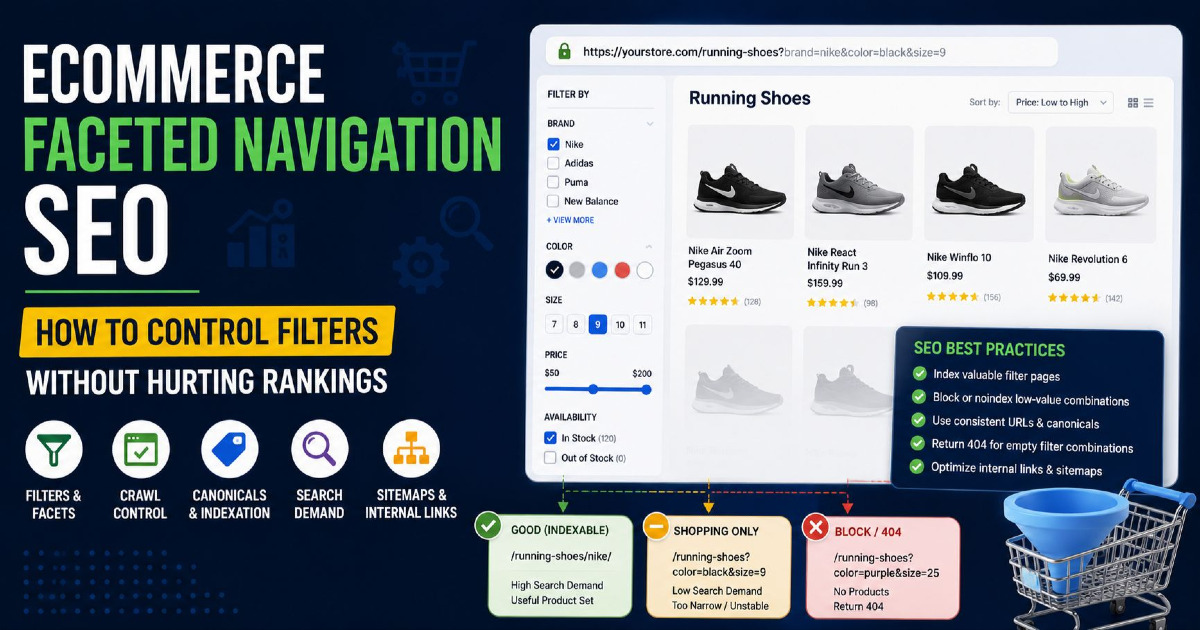
eCommerce sites are particularly vulnerable to parameter-based duplication. I recently worked with a Surat-based jewelry retailer whose site generated over 15,000 duplicate URLs through color, size, and filter combinations. Each variation showed essentially identical content with minor differences.
- Filter URLs:
/rings?metal=goldvs/rings?metal=silvershowing similar product listings - Sort parameters:
/products?sort=pricecreating multiple versions of the same page - Session IDs:
/page?sessionid=abc123generating unique URLs for identical content - Currency switches: Multiple URLs for the same product in different currencies
AI and Template-Generated Content
With AI tools becoming mainstream, I'm seeing an explosion in template-based duplicate content. Many businesses use AI to generate location-specific pages or product descriptions, creating hundreds of nearly identical pages that only differ in city names or product attributes.
Google's 2026 algorithms are sophisticated enough to identify these patterns. I've seen entire site sections get filtered when businesses create 50+ "digital marketing in [city]" pages with identical structure and minimal unique content.
CMS and Platform-Generated Duplication
Content management systems often create duplicate content without website owners realizing it. WordPress, Shopify, and other platforms generate multiple URLs for the same content through various features.
| Platform | Common Issues | Quick Fix |
|---|---|---|
| WordPress | Category/tag archives, attachment pages | Noindex archives, canonical tags |
| Shopify | Collection filters, product variants | Parameter handling, canonicals |
| Blogger | Label pages, search results | Custom meta tags, noindex |
| Custom CMS | Multiple URL structures | Redirect rules, URL normalization |
Advanced Detection Methods and Tools
Detecting duplicate content requires both automated tools and manual analysis. I use a combination of enterprise-level tools and free resources to conduct comprehensive content audits for my clients.
Technical SEO Audit Tools
For technical analysis, I rely on Screaming Frog SEO Spider and Sitebulb for comprehensive site crawls. These tools identify duplicate titles, descriptions, and content patterns that might not be obvious during manual review.
- Screaming Frog: Excellent for large site crawls, duplicate detection, and technical issues
- Google Search Console: Essential for indexing status and duplicate content warnings
- Sitebulb: Advanced visualization and content similarity analysis
- Copyscape: Web-wide plagiarism detection for content theft identification
Pro Tip: Set up automated monitoring for new duplicate content issues. I configure weekly Screaming Frog crawls for large sites to catch problems before they impact rankings. Early detection saves months of recovery work.
Google Search Console Analysis
Google Search Console provides critical insights into how Google perceives your content. The Coverage and Page Indexing reports reveal which pages Google considers duplicates and why they're not being indexed.
I regularly check for "Duplicate without user-selected canonical" warnings, which indicate pages that Google sees as duplicates but lack proper canonical tag implementation. These warnings often precede ranking drops by several weeks.
Platform-Specific Fix Strategies
Different platforms require different approaches to duplicate content resolution. Here's how I handle the most common scenarios for Indian businesses.
WordPress Duplicate Content Solutions
WordPress creates duplicate content through multiple mechanisms. I implement a systematic approach to address each potential source:
- Archive pages: Set category, tag, and author archives to noindex unless they provide unique value
- Canonical tags: Implement on all posts and pages using Yoast or RankMath
- Attachment pages: Redirect to parent post or noindex to prevent indexing
- Pagination: Use rel="next" and rel="prev" for paginated content series
For large WordPress sites, I also configure the robots.txt file to block crawling of unnecessary URLs like search results and filter parameters that don't add unique value.
Shopify eCommerce Optimization
Shopify stores face unique challenges with product variants, collections, and filtering systems. I've developed a specific methodology for handling ecommerce duplicate content that maintains user experience while preventing SEO issues.
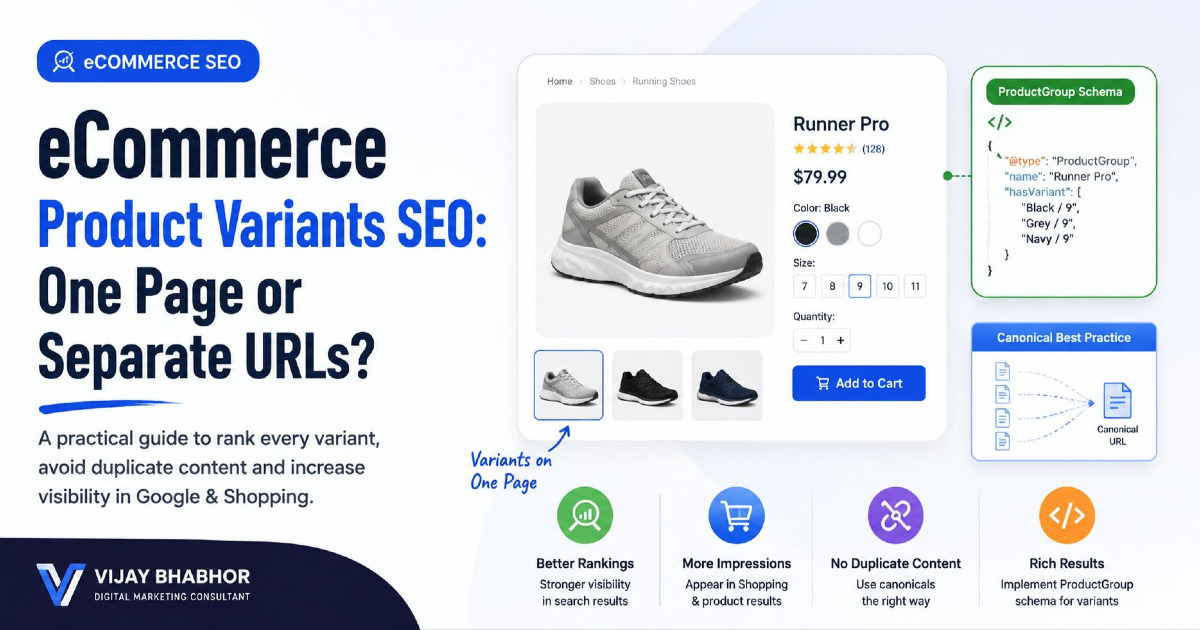
The key is implementing proper canonical tags on product variants and using parameter handling to consolidate similar collection pages. I also recommend creating unique, valuable content for each product rather than relying on manufacturer descriptions.
Custom CMS and Large Sites
Large sites with custom CMS often have complex URL structures that create duplication. I work with development teams to implement URL normalization, proper redirect chains, and canonical tag strategies that scale with site growth.
Content Quality Assessment Framework
Beyond duplicate detection, I evaluate content quality using a comprehensive framework that aligns with Google's helpful content guidelines. This assessment helps prioritize which pages to improve, consolidate, or remove.
| Quality Factor | Assessment Criteria | Action Needed |
|---|---|---|
| Content depth | Word count, topic coverage, examples | Expand or consolidate |
| User intent match | Query satisfaction, answer completeness | Rewrite or redirect |
| Uniqueness | Original insights, data, examples | Add unique value |
| Technical quality | Page speed, mobile experience, structure | Technical optimization |
I use this framework to categorize content into improvement priorities. High-traffic pages with quality issues get immediate attention, while low-traffic duplicates often get consolidated or removed entirely.
Recovery Strategies After Algorithm Updates
When sites lose rankings due to content quality issues, recovery requires a systematic approach. I've helped dozens of businesses recover from traffic drops, and the process typically takes 60-120 days depending on the severity of issues.
Immediate Response Protocol
Within the first week after a traffic drop, I focus on identifying the most critical issues and implementing quick fixes that can prevent further damage.
- Audit top-affected pages: Identify which pages lost the most traffic and rankings
- Check for technical issues: Verify canonicals, redirects, and indexing status
- Remove obvious duplicates: Noindex or consolidate clearly redundant pages
- Update key content: Refresh and improve most important landing pages
The goal is damage control—prevent further drops while preparing for longer-term content improvements. I've seen sites recover 30-40% of lost traffic within the first month using this approach.
Pro Tip: Don't panic and make drastic changes immediately after an update. Google often takes 2-4 weeks to fully roll out algorithm changes. Monitor for consistent patterns before implementing major modifications.
Long-term Recovery Planning
Sustainable recovery requires addressing root causes, not just symptoms. I develop 90-day recovery plans that systematically improve content quality while maintaining site functionality and user experience.
This includes content consolidation strategies, canonical tag implementation, and most importantly, creating genuinely helpful content that serves user intent better than competitors. The businesses that recover strongest are those that view algorithm updates as opportunities to improve, not just problems to fix.
Prevention Through Content Strategy
The best duplicate content strategy is prevention. I help businesses develop content creation processes that naturally avoid duplication while building topical authority and user value.
This starts with keyword research and content planning that identifies unique angles for each target topic. Instead of creating multiple similar pages, I recommend developing comprehensive resources that thoroughly cover related subtopics on single pages.
For businesses offering services in multiple locations, rather than creating template-based location pages, I suggest developing unique value propositions and local insights for each market. This approach aligns with Google's emphasis on helpful, locally relevant content.
Technical Implementation Guide
Proper technical implementation is crucial for duplicate content prevention. Here are the specific technical elements I implement on every site to prevent content issues.
Canonical Tag Strategy
Canonical tags tell Google which version of similar content should be considered the primary version. I implement canonicals strategically across different content types:
- Self-referencing canonicals: Every unique page should have a canonical pointing to itself
- Parameter handling: Use canonicals to consolidate filter and sort variations
- Content series: Point related content to the most comprehensive version
- Mobile versions: Ensure mobile and desktop versions point to preferred URL
URL Structure Optimization
Clean URL structures prevent many duplicate content issues before they start. I implement URL patterns that are both user-friendly and SEO-optimized, following Google's latest guidelines for URL structure optimization.
This includes parameter handling rules, consistent internal linking patterns, and redirect strategies that maintain link equity while consolidating similar content.
Monitoring and Maintenance Protocols
Duplicate content prevention requires ongoing monitoring, not one-time fixes. I establish monitoring protocols that catch issues early and prevent them from impacting rankings.
This includes automated alerts for new duplicate content warnings in Google Search Console, regular content audits using crawling tools, and quarterly reviews of site structure and internal linking patterns.
For businesses in Surat and across India, I recommend monthly content quality assessments, especially for rapidly growing sites or those in competitive industries.
Pro Tip: Set up Google Data Studio dashboards to monitor key metrics like indexed pages, organic traffic patterns, and Search Console warnings. Visual monitoring makes it easier to spot trends and issues before they become serious problems.
Advanced Scenarios and Solutions
Some duplicate content situations require advanced solutions beyond basic canonical tags and noindex directives. Here are complex scenarios I frequently encounter and how I resolve them.
Multi-language and International Sites
International businesses often struggle with content that's identical across languages or regions. Google may see translated content as duplicates if not properly marked with hreflang tags and international targeting signals.
I implement comprehensive international SEO strategies that include proper hreflang implementation, country-specific canonical tags, and unique value addition for each market beyond simple translation.
Large-scale Content Consolidation
For sites with hundreds or thousands of duplicate pages, mass consolidation requires careful planning to preserve link equity and user experience. I use tools like comprehensive SEO audits to identify consolidation opportunities and prioritize based on traffic and conversion value.
The process involves mapping redirect chains, preserving internal link structures, and gradually implementing changes to minimize ranking disruption during consolidation.
Industry-Specific Duplicate Content Challenges
Different industries face unique duplicate content challenges. From my experience managing campaigns across sectors, here's how I handle industry-specific issues.
Real Estate and Property Websites
Real estate sites often have thousands of similar property listings with minimal unique content. I've worked with property portals that had over 100,000 near-duplicate pages, severely impacting their organic visibility.
The solution involves creating unique value for each listing through detailed descriptions, neighborhood insights, market analysis, and high-quality visual content. Similar to strategies I use for real estate marketing, content differentiation is crucial.
Healthcare and Professional Services
Healthcare websites often use template content for service descriptions, creating hundreds of similar pages across different treatments or locations. This is particularly problematic given Google's E-E-A-T requirements for medical content.
I help medical practices create unique, authoritative content for each service by incorporating case studies, treatment outcomes, and doctor expertise. This approach aligns with both SEO best practices and healthcare marketing regulations.
Future-Proofing Content Strategy
Google's algorithms continue evolving toward better understanding of user intent and content quality. The businesses that thrive are those that focus on creating genuinely helpful, unique content rather than trying to manipulate search results.
I recommend developing content creation processes that prioritize user value first, SEO optimization second. This means thorough keyword research, competitor analysis, and most importantly, understanding what your audience actually needs to know.
Future-proof content strategy also includes regular content updates, performance monitoring, and adaptation based on user feedback and search performance data. The goal is building sustainable organic growth, not quick rankings that disappear with the next algorithm update.
Need Expert Help with Duplicate Content Issues?
Don't let duplicate content destroy your organic traffic and revenue. Get a comprehensive SEO audit and recovery strategy from an expert who's managed ₹50Cr+ in digital marketing campaigns.
Get Free SEO Audit →Frequently Asked Questions
How long does it take to recover from duplicate content issues?
Recovery timelines vary based on the severity of issues and implementation speed. In my experience, businesses typically see initial improvements within 4-6 weeks of implementing fixes, with full recovery taking 60-120 days. Sites with extensive duplication may take longer, especially if they require significant content consolidation or rewriting.
Can I use the same content across multiple websites I own?
This is generally not recommended. Google typically chooses one version to rank, potentially causing both sites to lose authority. If you must share some content across domains, keep it minimal (like legal disclaimers) and ensure each site has substantial unique value. I've seen businesses lose 50-70% of organic traffic when Google identifies cross-domain content duplication.
What's the difference between duplicate content filtering and penalties?
Google doesn't technically "penalize" for duplicate content anymore—they filter results. When multiple pages have similar content, Google chooses the best version to show in search results and filters out the rest. However, if a large portion of your site consists of duplicate or low-quality content, your entire site's authority and rankings can suffer, which feels like a penalty to business owners.
How do I handle product descriptions from manufacturers?
Never use manufacturer descriptions as-is. I recommend rewriting them completely or adding substantial unique content like detailed specifications, usage tips, comparison data, and customer reviews. For ecommerce sites, unique product content is crucial for ranking success. If you must use some manufacturer content, limit it to basic specifications and surround it with original, valuable information.
Should I remove all duplicate content or can some be fixed with canonicals?
The strategy depends on the content's value and purpose. Use canonical tags when duplicate versions serve legitimate user needs (like printer-friendly pages or filtered product views). Remove or consolidate content when duplication provides no additional user value. I typically remove thin, template-generated pages and consolidate similar pages into comprehensive resources that better serve user intent.
Key Takeaways for 2026 SEO Success
Duplicate content remains one of the most damaging yet preventable SEO issues. Google's 2026 algorithms are sophisticated enough to understand content meaning, user intent, and value—making it impossible to succeed with template-generated or low-quality duplicate content.
The businesses that thrive focus on creating genuinely unique, helpful content that serves specific user needs. This requires investment in content strategy, regular auditing, and ongoing optimization—but the returns in organic traffic and revenue make it worthwhile.
Whether you're dealing with existing duplicate content issues or want to prevent them, remember that sustainable SEO success comes from putting user value first. Technical fixes like canonical tags and redirects are important, but they can't substitute for genuinely helpful, original content.
If you're struggling with duplicate content issues or want to audit your site before problems develop, consider working with an experienced SEO expert who understands both the technical and strategic aspects of content optimization. The investment in proper duplicate content management pays dividends in sustained organic growth and revenue protection.