Google Ads helps dental clinics appear when potential patients actively search for treatments, dentists, clinics, costs, reviews, and appointment availability. Unlike social media advertising, Google Ads reaches people who already have treatment intent, making it one of the most effective patient acquisition channels for dental practices.
Most dental clinic owners do not invest in advertising because they want clicks.
They invest because they want:
- More appointments
- More treatment consultations
- More phone calls
- More WhatsApp inquiries
- More high-value patients
This distinction matters.
A successful dental advertising campaign is not measured by impressions or traffic.
It is measured by patient acquisition.
Google Ads allows clinics to appear when someone searches for:
- Dentist near me
- Dental implant specialist
- Root canal treatment cost
- Emergency dentist open now
- Invisalign dentist
- Best dental clinic in Surat
These searches often indicate immediate treatment demand rather than casual browsing.
Google explains that Search Ads allow businesses to appear when people actively search for products and services they offer. This intent-driven advertising model is one reason search campaigns frequently outperform interruption-based advertising channels for lead generation.
However, running Google Ads and generating profitable patients are two different things.
Many clinics spend money on advertising but struggle to achieve meaningful growth because campaigns focus on clicks rather than treatment economics.
The most successful dental campaigns start by understanding which treatments generate the highest business value.
Why Are More Dental Patients Searching Google Before Choosing a Clinic?
Modern dental patients typically research symptoms, treatment options, costs, reviews, and clinics online before booking an appointment.
The patient journey has changed significantly.
Years ago, referrals were often the primary source of new patients.
Today, many patients start with Google.
Someone experiencing tooth pain may search:
- Tooth pain treatment
- Root canal specialist near me
- Emergency dentist nearby
A patient considering cosmetic improvements may search:
- Dental veneers cost
- Smile makeover dentist
- Teeth whitening clinic
An orthodontic patient may search:
- Invisalign treatment cost
- Clear aligners near me
- Best orthodontist in my city
Every search represents a different stage of the patient acquisition journey.
This is why successful dental advertising requires more than targeting the keyword "dentist."
The campaign must align with the patient's intent.
| Patient Stage | Typical Search Example | Commercial Intent |
|---|---|---|
| Problem Awareness | Why does my tooth hurt? | Low |
| Treatment Research | Root canal treatment | Medium |
| Clinic Evaluation | Best dentist near me | High |
| Booking Intent | Emergency dentist open now | Very High |
Understanding these intent levels helps dental clinics allocate advertising budgets more effectively.
Not every click has the same value.
Not every patient search has the same probability of becoming a booked appointment.
Which Dental Treatments Generate the Highest Return From Google Ads?
Not all dental services generate the same return on advertising investment. High-value treatments often justify larger advertising budgets because a single patient can generate significantly more revenue than routine services.
This is where many dental campaigns fail.
Clinics frequently advertise every service equally.
In reality, treatment economics should influence advertising strategy.
A clinic should understand which treatments create the strongest financial outcomes before determining campaign budgets.
| Treatment Category | Typical Revenue Potential | Advertising Priority |
|---|---|---|
| Dental Implants | Very High | Very High |
| Invisalign | Very High | Very High |
| Cosmetic Dentistry | High | High |
| Root Canal Treatment | Medium | High |
| Emergency Dentistry | Medium | High |
| Dental Cleaning | Lower | Moderate |
This does not mean lower-value services should be ignored.
It means campaign structure should reflect business priorities.
Dental Implants
Dental implant campaigns often generate some of the highest returns because implant treatments typically represent high-value patient opportunities.
Patients searching for implants usually demonstrate strong treatment intent.
Common searches include:
- Dental implant cost
- Single tooth implant
- Full mouth dental implants
- Best implant dentist
These searches often occur after the patient has already recognized the need for treatment.
The objective is no longer education.
The objective is selecting a provider.
Invisalign and Orthodontics
Orthodontic treatments frequently perform well because patients actively compare providers, pricing, technology, and treatment outcomes before making a decision.
Common searches include:
- Invisalign cost
- Clear aligners near me
- Invisible braces
- Orthodontist consultation
These campaigns often benefit from before-and-after imagery, patient success stories, and consultation-focused landing pages.
Root Canal Treatment
Root canal searches often indicate immediate treatment need.
Unlike cosmetic treatments, many root canal patients are motivated by pain.
This creates stronger urgency.
Examples include:
- Root canal specialist
- Root canal treatment cost
- Tooth nerve pain treatment
- Endodontist near me
Clinics capable of providing same-day consultations often gain an advantage in these searches.
Cosmetic Dentistry
Cosmetic dentistry campaigns target patients seeking appearance improvements rather than urgent treatment.
Common services include:
- Dental veneers
- Smile design
- Teeth whitening
- Smile makeover treatments
Patients often spend more time researching options, making trust signals and treatment examples particularly important.
Emergency Dentistry
Emergency dental searches frequently represent the highest urgency level within dental advertising.
These patients typically want immediate assistance.
Examples include:
- Emergency dentist near me
- Dentist open now
- Severe tooth pain treatment
- Broken tooth dentist
Response speed, call handling, clinic availability, and location visibility often have a significant impact on conversion rates.
How Do Dental Patients Search Before Booking an Appointment?
Most dental patients do not search for a clinic and immediately book an appointment. They typically move through several decision stages before choosing a dentist.
This behavior is one of the most important concepts dentists should understand before investing in Google Ads.
Many campaigns fail because clinics target only broad dental keywords while ignoring how patients actually make decisions.
A patient experiencing severe tooth pain behaves differently from someone researching Invisalign treatment.
Someone searching for an emergency dentist often wants immediate help.
A patient considering cosmetic dentistry may spend weeks comparing providers, treatment options, reviews, and pricing.
The advertising strategy must align with the patient journey.
| Patient Journey Stage | Example Search | Booking Probability |
|---|---|---|
| Problem Awareness | Why does my tooth hurt? | Low |
| Treatment Research | Root canal treatment cost | Medium |
| Clinic Evaluation | Best dentist near me | High |
| Appointment Intent | Emergency dentist open now | Very High |
This explains why keyword intent often matters more than search volume.
A keyword generating fewer searches may produce significantly more appointments if the patient is ready to act.
Google's advertising platform is designed to help businesses appear when users actively search for relevant products and services, making search intent one of the strongest signals available to advertisers.
Emergency Patients Search Differently
Emergency dental patients usually prioritize speed, availability, and proximity over extensive research.
Common searches include:
- Emergency dentist near me
- Dentist open now
- Tooth pain treatment
- Broken tooth repair
- Same day dentist appointment
These searches often generate some of the highest conversion rates because the patient is seeking immediate relief.
For these campaigns, phone calls frequently outperform lead forms.
Treatment Research Patients Need Trust
Patients researching implants, Invisalign, veneers, or smile makeovers usually spend more time evaluating options.
Their searches often include:
- Dental implant cost
- Invisalign consultation
- Best cosmetic dentist
- Smile makeover clinic
These patients often compare:
- Experience
- Reviews
- Technology
- Treatment outcomes
- Pricing transparency
The landing page becomes just as important as the advertisement itself.
Local Intent Usually Drives the Highest Conversion Rates
Most dental treatments are location-dependent services.
Patients typically prefer providers within a reasonable travel distance.
This is why location-focused searches frequently perform well.
Examples include:
- Dentist near me
- Dental clinic in Surat
- Implant dentist in Ahmedabad
- Orthodontist near me
Google Business Profile visibility, reviews, location assets, and local relevance often influence conversion rates significantly. Strong local visibility and review profiles can improve patient trust before a click even occurs.
Which Google Ads Campaign Types Work Best for Dentists?
The best Google Ads campaign type depends on the treatment being promoted, patient intent, and the clinic's growth objectives.
Many dental clinics launch a single campaign and expect it to generate every type of patient.
Successful clinics usually use multiple campaign types that support different stages of the patient journey.
Search Campaigns: The Foundation of Dental Advertising
Search campaigns are typically the highest-priority campaign type for dentists because they target patients actively searching for treatment.
These campaigns appear when users search for specific services.
Examples include:
- Dental implants
- Emergency dentist
- Root canal specialist
- Invisalign dentist
- Dental clinic near me
Search campaigns frequently generate strong results because they target existing demand rather than attempting to create demand. High-intent dental searches often produce some of the strongest patient acquisition opportunities available through Google Ads.
For most dental clinics, Search campaigns should receive the largest share of the advertising budget.
| Campaign Type | Patient Intent | Lead Quality |
|---|---|---|
| Search | Very High | Very High |
| Performance Max | Mixed | High |
| Remarketing | High | High |
| YouTube | Awareness | Moderate |
Performance Max Campaigns for Dental Clinics
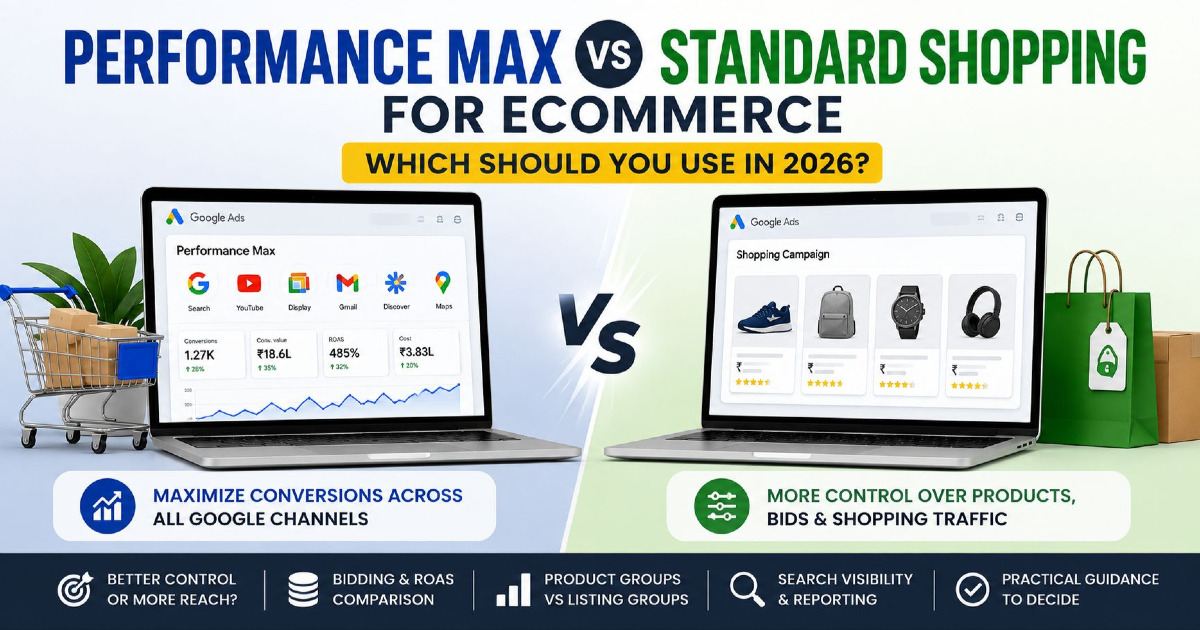
Performance Max campaigns allow Google to serve ads across multiple channels including Search, Maps, YouTube, Gmail, Discover, and Display inventory.
Performance Max can work particularly well when:
- The clinic has strong conversion tracking
- Multiple treatment categories exist
- Sufficient conversion data is available
- High-quality creative assets are available
However, many clinics make the mistake of launching Performance Max before establishing successful Search campaigns.
Search campaigns typically provide clearer intent signals and easier optimization during the early stages.
Remarketing Campaigns Recover Lost Opportunities
Many prospective patients visit a dental website but do not book immediately.
Many dental clinics lose potential patients because visitors leave the website before booking an appointment. Creating audience segments allows clinics to reconnect with these visitors through targeted follow-up advertising. Learn how to build these audiences in this Google Ads Remarketing Audience Guide.
This is especially common for:
- Dental implants
- Orthodontics
- Cosmetic dentistry
- Smile makeovers
Remarketing allows clinics to reconnect with previous website visitors.
These users already know the clinic.
They often require additional trust signals before booking.
Examples include:
- Patient testimonials
- Before-and-after cases
- Consultation offers
- Treatment financing information
Remarketing frequently produces stronger conversion rates because the audience has already demonstrated interest.
YouTube Video Campaigns Build Trust Before the First Consultation
Many dental treatments involve fear, uncertainty, and financial commitment.
Video advertising helps reduce that uncertainty.
Dental clinics can use YouTube campaigns to showcase:
- Clinic facilities
- Dentist introductions
- Patient success stories
- Treatment explanations
- Before-and-after transformations
While YouTube campaigns rarely match Search campaigns for immediate appointment generation, they often improve trust and brand familiarity before patients conduct treatment-specific searches.
Video campaigns can help reduce treatment anxiety and build trust before a consultation. For campaign setup, targeting strategies, and placement recommendations, see this Google Video Ads Guide.
How Should Dentists Structure Keywords Based on Patient Intent?
The most profitable dental Google Ads campaigns organize keywords based on patient intent rather than treatment categories alone.
Many dental clinics place all keywords into a single campaign.
This creates optimization problems.
A person searching for an emergency dentist behaves differently from someone comparing Invisalign providers.
Their urgency is different.
Their decision-making process is different.
Their likelihood of booking is different.
By grouping keywords according to patient intent, clinics can create more relevant advertisements, landing pages, bidding strategies, and conversion goals.
| Intent Category | Example Searches | Appointment Probability |
|---|---|---|
| Emergency Intent | Emergency dentist near me | Very High |
| Treatment Intent | Dental implant cost | High |
| Commercial Investigation | Best dentist in Surat | Medium to High |
| Brand Intent | Clinic name or doctor name | Very High |
Google Ads works best when campaigns align with how patients search rather than how clinics organize services. Google's keyword planning resources also emphasize matching ads to the intent behind user searches.
Emergency Intent Keywords
Emergency intent keywords often produce the fastest appointment decisions because the patient has an immediate problem that needs treatment.
Common examples include:
- Emergency dentist near me
- Dentist open now
- Tooth pain treatment
- Broken tooth repair
- Emergency dental clinic
These searches usually occur when the patient wants relief rather than education.
For emergency campaigns, clinics should prioritize:
- Call extensions
- Mobile-first landing pages
- Fast response times
- Appointment availability
Patients searching these terms often call the first trusted clinic they find.
Treatment Intent Keywords
Treatment intent keywords target patients who already understand their treatment needs and are actively looking for a provider.
Examples include:
- Dental implant specialist
- Dental implant cost
- Invisalign treatment
- Root canal specialist
- Cosmetic dentist
- Smile makeover clinic
These keywords frequently generate higher-value patients because treatment demand already exists.
The patient's primary question is often:
Which clinic should perform my treatment?
This is where experience, reviews, treatment outcomes, and consultation offers become powerful conversion drivers.
Commercial Investigation Keywords
Commercial investigation keywords are used by patients comparing providers before making a final decision.
Examples include:
- Best dentist near me
- Top dental clinic in Surat
- Best implant dentist
- Highest rated dental clinic
These patients are often evaluating:
- Reviews
- Experience
- Technology
- Pricing
- Treatment quality
Landing pages targeting these searches should prominently display:
- Google reviews
- Doctor credentials
- Clinic photographs
- Patient testimonials
- Before-and-after results
Commercial investigation searches often overlap with local search behavior because patients compare clinics, reviews, and nearby treatment options before booking. Local visibility plays a major role in these decisions, which is why dental clinics should also invest in Local SEO.
Brand Intent Keywords
Brand searches frequently convert at the highest rates because patients already know the clinic or doctor.
Examples include:
- Tooth Place Dental Clinic
- Dr. Jaydev Dhameliya
- Candor Dental Surat
- Dental clinic brand name
Many clinics ignore brand campaigns.
That is a mistake.
Brand campaigns help:
- Protect clinic visibility
- Control messaging
- Increase appointment rates
- Improve conversion efficiency
Brand traffic is often the most cost-effective traffic available in a dental account.
How Much Should Dentists Budget for Google Ads?
There is no universal Google Ads budget for dentists because advertising costs depend on treatment type, location, competition, conversion rates, and growth objectives.
Many clinics ask:
"How much should I spend?"
The better question is:
"How many new patients do I need each month?"
Budget planning should start with patient acquisition goals.
For example, a clinic wanting:
- 10 implant consultations
- 20 Invisalign consultations
- 30 new patient appointments
requires a different budget than a clinic seeking general awareness.
Factors That Influence Dental Advertising Costs
Several factors influence how much a dental clinic must invest to generate appointments.
| Factor | Impact on Cost |
|---|---|
| Competition Level | High |
| City Size | High |
| Treatment Type | Very High |
| Landing Page Quality | High |
| Conversion Rate | Very High |
| Review Profile | Moderate |
Implant campaigns generally require larger budgets than routine dental cleaning campaigns because competition and patient value are often higher.
Why Patient Acquisition Cost Matters More Than CPC
Many dentists focus on cost per click when they should focus on cost per acquired patient.
A lower CPC does not automatically create better results.
Consider these scenarios:
| Campaign | Cost Per Click | Appointments | Result |
|---|---|---|---|
| Campaign A | Low | Few | Poor |
| Campaign B | Higher | Many | Strong |
The second campaign may generate substantially better business outcomes despite higher click costs.
The true metric is not traffic cost.
The true metric is patient acquisition cost.
How Should New Dental Clinics Start?
New clinics should begin with focused campaigns targeting high-intent treatment searches before expanding into broader advertising strategies.
A practical starting approach often includes:
- Search campaigns
- High-intent treatment keywords
- Location targeting
- Call tracking
- Appointment tracking
This provides reliable data before introducing more advanced campaign types.
What Makes a High-Converting Dental Landing Page?
A successful dental Google Ads campaign depends on more than keywords and bids. The landing page often determines whether a visitor becomes a patient.
Many dental clinics focus heavily on generating traffic.
The bigger challenge is converting that traffic into appointments.
A patient who clicks an ad has already shown interest.
The landing page must now provide enough trust, clarity, and motivation to encourage action.
This is especially important in dentistry because patients often associate treatment with:
- Cost
- Pain
- Fear
- Uncertainty
- Long-term commitment
The landing page should answer these concerns before the patient leaves the website.
| Landing Page Element | Impact on Conversions |
|---|---|
| Trust Signals | Very High |
| Reviews | Very High |
| Clear Call To Action | Very High |
| Mobile Experience | High |
| Treatment Information | High |
| Doctor Credentials | High |
Match the Landing Page to the Treatment
Every major treatment should have its own dedicated landing page.
A patient searching for dental implants should not land on a generic dental clinic homepage.
Similarly, someone searching for Invisalign should not be sent to a page discussing every service the clinic offers.
Dedicated landing pages improve relevance because the content directly matches the patient's search intent.
Examples include:
- Dental Implant Landing Page
- Invisalign Landing Page
- Root Canal Treatment Landing Page
- Emergency Dentist Landing Page
- Cosmetic Dentistry Landing Page
The closer the landing page matches the search query, the higher the likelihood of conversion.
Build Trust Before Asking for an Appointment
Dental patients usually evaluate trust before making contact.
Many clinics immediately display forms without establishing credibility.
Trust should appear near the top of the page.
Examples include:
- Google Reviews
- Patient Testimonials
- Years of Experience
- Treatment Certifications
- Professional Memberships
- Awards and Recognition
Google's guidance for healthcare-related content emphasizes experience, expertise, authority, and trustworthiness as important quality considerations.
Patients are not simply choosing a service.
They are choosing who will perform their treatment.
Show Real Treatment Outcomes
Before-and-after examples often help patients understand potential treatment results.
This is especially valuable for:
- Dental Implants
- Smile Makeovers
- Invisalign
- Cosmetic Dentistry
- Veneers
Visual proof frequently reduces uncertainty.
Patients often trust treatment outcomes more than marketing claims.
Where permitted by local regulations and patient consent requirements, showcasing real results can significantly strengthen trust.
Make Contact Options Impossible to Miss
The easier it is to contact the clinic, the more opportunities exist to convert visitors into patients.
Every dental landing page should prominently display:
- Phone Number
- Appointment Form
- WhatsApp Button
- Location Information
- Clinic Hours
Many dental leads occur from mobile devices.
If a visitor must search for contact information, conversion rates often decline.
Optimize for Mobile Users First
Most dental searches now occur on smartphones.
Patients often search while:
- At work
- Travelling
- Experiencing discomfort
- Looking for immediate treatment
A mobile-friendly experience should include:
- Fast loading speed
- Click-to-call functionality
- Simple forms
- Easy navigation
- Readable content
Even the best advertising campaign can struggle if the mobile experience creates friction.
Which Conversions Should Dental Clinics Track?
Many dental clinics optimize Google Ads using clicks instead of patient acquisition metrics.
This is one of the most expensive mistakes in dental advertising.
Clicks do not generate revenue.
Appointments generate revenue.
Google Ads becomes significantly more effective when conversion tracking reflects actual business outcomes.
Primary Dental Conversions
Primary conversions represent actions directly connected to patient acquisition.
Examples include:
- Appointment Requests
- Phone Calls
- WhatsApp Leads
- Consultation Bookings
- Online Scheduling
These actions should typically receive the highest optimization priority.
| Conversion Type | Business Value |
|---|---|
| Treatment Started | Very High |
| Consultation Booked | High |
| Appointment Request | High |
| Phone Call | High |
| WhatsApp Lead | Medium to High |
| Page View | Low |
Track Calls Separately
Phone calls often represent the highest-quality leads for emergency and treatment-focused dental campaigns.
Many patients prefer speaking directly with a clinic before scheduling treatment.
This is especially common for:
- Emergency Dentistry
- Dental Implants
- Root Canal Treatment
- Oral Surgery
Tracking calls separately helps identify which campaigns generate the most valuable patient interactions.
Track Qualified Consultations Instead of Form Submissions Alone
Not every lead becomes a patient.
A clinic receiving 100 inquiries may only generate 30 qualified consultations.
Similarly, 30 consultations may result in 10 treatment starts.
Advanced dental advertisers increasingly measure:
- Qualified Leads
- Consultations Completed
- Treatment Accepted
- Treatment Started
This provides a more accurate understanding of advertising profitability.
Connect Google Ads With Real Business Outcomes
The most successful dental campaigns optimize toward revenue-generating events rather than superficial engagement metrics.
Examples include:
- Implant Consultation Booked
- Invisalign Assessment Scheduled
- Treatment Plan Accepted
- Patient Visit Completed
When Google Ads receives accurate conversion data, automated bidding systems can better identify users who are likely to become patients rather than simply generating traffic.
Common Google Ads Mistakes Dental Clinics Make
Most dental advertising failures are caused by strategic mistakes rather than platform limitations.
The issue is rarely Google Ads itself.
The issue is often how campaigns are structured, measured, and optimized.
Mistake #1: Sending Traffic to the Homepage
Generic homepages rarely match treatment-specific searches.
Patients searching for dental implants should reach a dedicated implant page.
Patients searching for Invisalign should reach an Invisalign page.
Intent alignment frequently improves conversion performance.
Mistake #2: Targeting Broad Dental Keywords Only
Many clinics focus exclusively on generic keywords such as:
- Dentist
- Dental Clinic
- Dentist Near Me
While valuable, these keywords often ignore treatment-specific intent that can generate higher-value patients.
Mistake #3: Ignoring Conversion Tracking
Without conversion tracking, optimization becomes guesswork.
Clinics may increase spending on campaigns that generate traffic but fail to generate appointments.
Mistake #4: Not Following Up Quickly
Lead response speed can significantly influence appointment rates.
Patients contacting multiple clinics often book with the first clinic that responds professionally.
Mistake #5: Treating Google Ads as a Standalone Strategy
Google Ads performs best when supported by:
- Google Reviews
- Google Business Profile
- Strong Landing Pages
- Local SEO
- Patient Testimonials
Google Ads vs Local SEO for Dentists: Which Generates More Patients?
Google Ads and Local SEO serve different roles in patient acquisition. The strongest dental marketing systems use both channels together rather than treating them as competitors.
Many clinic owners ask whether they should invest in Google Ads or SEO.
The answer depends on business objectives, competition, growth timelines, and patient acquisition goals.
Google Ads can generate visibility immediately.
Local SEO typically requires more time but can create long-term patient acquisition opportunities.
| Factor | Google Ads | Local SEO |
|---|---|---|
| Speed | Immediate | Gradual |
| Visibility Control | High | Moderate |
| Long-Term Cost | Ongoing | Lower Over Time |
| Lead Predictability | High | Variable |
| Trust Building | Moderate | High |
| Scalability | High | High |
Google Ads is often the fastest way to generate appointments.
Local SEO helps clinics build long-term visibility in organic search and Google Maps.
Google Business Profile optimization, reviews, local citations, and location-based content continue to play an important role in local visibility for dental practices. Google's guidance for local businesses highlights the importance of accurate business information and review management. ([support.google.com](https://support.google.com/business/answer/7091))
When Google Ads Should Be the Priority
Google Ads is often the best choice when a clinic needs patient acquisition immediately.
Examples include:
- New clinic launches
- New treatment offerings
- Expansion into new locations
- Aggressive growth targets
- Seasonal treatment promotions
Because ads appear immediately after launch, clinics can start generating leads without waiting for organic rankings.
When Local SEO Should Be the Priority
Local SEO becomes increasingly valuable when a clinic wants sustainable visibility beyond advertising spend.
Strong local SEO often improves visibility for searches such as:
- Dentist near me
- Dental clinic near me
- Best dentist in Surat
- Orthodontist near me
Patients frequently review organic results, Maps listings, and reviews before booking appointments.
This means Local SEO and Google Ads often influence the same patient journey.
Why The Best Dental Clinics Use Both
Google Ads captures immediate demand while Local SEO strengthens long-term authority and trust.
A patient may:
- See a Google Ad
- Visit the website
- Check Google Reviews
- View the Google Business Profile
- Return later through organic search
- Book an appointment
This is why patient acquisition should be measured across channels rather than through a single marketing source.
The most successful dental clinics build visibility wherever patients conduct research.
Frequently Asked Questions About Google Ads for Dentists
Do Google Ads work for dental clinics?
Yes. Google Ads can be highly effective for dental clinics because ads appear when patients actively search for treatments, dental services, and appointment availability. Search intent is often stronger than on many social media platforms.
Which dental services perform best with Google Ads?
High-value treatments such as dental implants, Invisalign, cosmetic dentistry, emergency dentistry, and root canal treatments often produce strong advertising returns because patients actively search for these services.
How much should a dental clinic spend on Google Ads?
Budget requirements vary based on competition, location, treatment focus, and growth goals. Clinics should determine patient acquisition targets first and then build budgets around expected lead and conversion rates.
Should dentists use Performance Max campaigns?
Performance Max can work well when conversion tracking is properly configured and sufficient data exists. However, many clinics benefit from establishing strong Search campaigns before expanding into automated campaign types.
Are Google Ads better than Facebook Ads for dentists?
Google Ads generally captures existing treatment demand because users actively search for dental services. Facebook and Instagram campaigns often work better for awareness and remarketing initiatives.
Can Google Ads generate emergency dental patients?
Yes. Emergency-related searches frequently carry strong booking intent because patients need immediate treatment. Call-focused campaigns often perform particularly well in these situations.
How Can Dentists Build a Predictable Patient Acquisition System?
The most successful dental clinics do not rely on individual campaigns. They build patient acquisition systems that consistently attract, convert, and retain patients.
A predictable growth system combines multiple elements:
- Google Ads
- Local SEO
- Google Business Profile Optimization
- Conversion Tracking
- Landing Page Optimization
- Review Generation
- Patient Follow-Up Processes
Every part of the system supports the next.
Advertising generates visibility.
Landing pages generate inquiries.
Staff convert inquiries into appointments.
Treatment quality generates reviews.
Reviews improve future conversion rates.
This creates a compounding growth cycle.
| Stage | Primary Goal |
|---|---|
| Visibility | Generate awareness |
| Lead Generation | Capture inquiries |
| Consultation | Build trust |
| Treatment Acceptance | Generate revenue |
| Patient Experience | Generate reviews and referrals |
Many clinics focus exclusively on getting more clicks.
High-performing dental practices focus on building systems that generate qualified patients consistently.
Google Ads becomes significantly more profitable when supported by:
- Dedicated treatment pages
- Strong Google reviews
- Local SEO visibility
- Accurate conversion tracking
- Fast lead response processes
Ultimately, the goal is not to generate traffic.
The goal is to create a predictable flow of new patients, consultations, and treatment opportunities that support sustainable clinic growth.
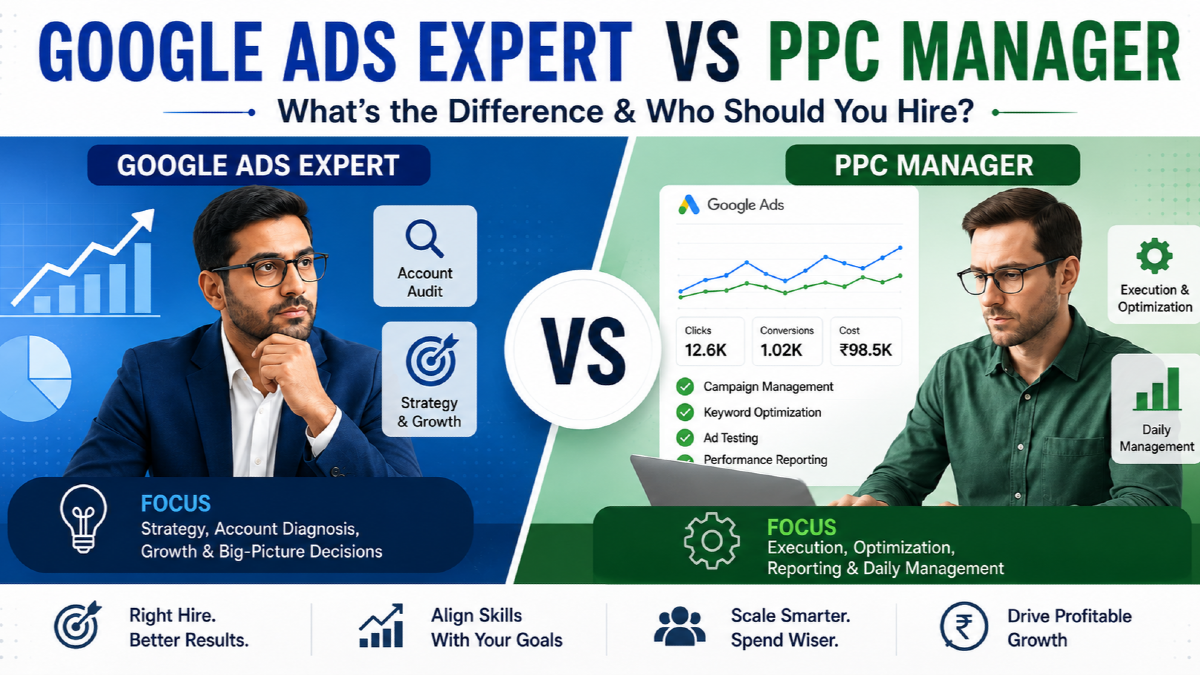
Dental clinics that want a structured patient acquisition strategy can work with a Google Ads Expert to build treatment-focused campaigns, conversion tracking systems, remarketing funnels, and ROI measurement frameworks that support long-term clinic growth.