📋 Key Takeaways
- ✓Meta's targeting has evolved dramatically post-iOS 14 — broad targeting often outperforms detailed targeting in 2026
- ✓The 3 core audience types (Custom, Lookalike, Saved) must work together for maximum ROI
- ✓Quality data sources for Custom/Lookalike audiences are more critical than ever for performance
- ✓Meta Advantage+ Audience leverages AI effectively when fed proper conversion data
- ✓Minimum ₹50-100/day budget needed to feed Meta's algorithm sufficient optimization data
After managing ₹50Cr+ in Meta ad spend over 14+ years, I can tell you this: Meta Ads audience targeting in 2026 is nothing like it was in 2020. The iOS 14 privacy updates fundamentally changed how we reach audiences, forcing us to adapt our strategies completely.
Most marketers are still using outdated targeting approaches from 3-4 years ago. That's why their campaigns are struggling. In this definitive guide, I'll share the exact audience targeting strategies that are working right now in 2026 — based on real data from managing massive ad spends across industries.
3.065B
Monthly Active Users on Meta
97%
Marketers' Preferred Platform
20-40%
CPA Reduction with Quality Lookalikes
Understanding Meta Ads Audiences: The 2026 Landscape
The Meta advertising ecosystem has undergone massive shifts since iOS 14. What worked in 2020-2022 often fails today. Here's what's changed:
- Data limitations: Pixel tracking is restricted, forcing reliance on first-party data
- AI dominance: Meta's machine learning now handles much of the optimization
- Broader targeting preference: Detailed interest targeting often underperforms broad approaches
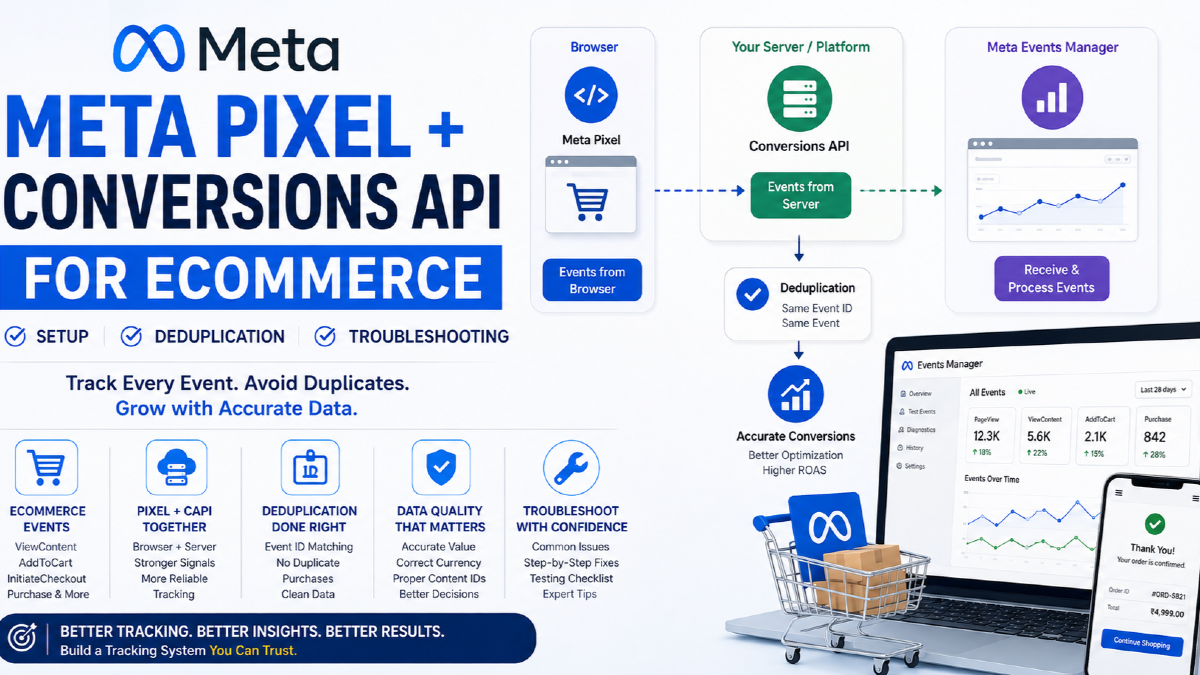
- Conversion API importance: Server-side tracking is essential for data recovery
Reality Check: "Facebook ad targeting in 2026 isn't what it used to be. Since iOS 14, Meta has had to make major adjustments. Targeting tactics from 2 years ago no longer work consistently."
The 3 Core Types of Meta Audiences
Every successful Meta ads strategy in 2026 revolves around mastering these three audience types. Let me break down exactly how each works and when to use them:
| Audience Type | Best For | Data Source | Performance in 2026 |
|---|---|---|---|
| Custom Audiences | Retargeting, existing customers | Website, customer lists, engagement | High (when data quality is good) |
| Lookalike Audiences | Scaling, finding new customers | Based on Custom Audiences | Very High (with quality seeds) |
| Saved Audiences | Testing, broad reach | Demographics, interests, behaviors | Mixed (broad works better than detailed) |
Custom Audiences: Reaching Your Known Connections
Custom Audiences are your most valuable targeting asset. These are people who already have some connection to your business. Here's how I prioritize different Custom Audience sources:
Website Visitors (Pixel Data & Conversion API)
Despite iOS 14 limitations, website visitor audiences remain powerful when combined with Conversion API. I recommend these segments:
- All website visitors (180 days) — for top-of-funnel awareness
- Specific page visitors — product pages, pricing pages
- Time-based segments — last 7, 30, 90 days for different campaign intensities
- Behavior-based — cart abandoners, checkout initiators
Customer Lists (CRM Integration)
This is where the magic happens in 2026. Upload your customer data (emails, phone numbers) for highly targeted campaigns. My approach:
- High-value customers: Upload your best customers for lookalike seed audiences
- Recent purchasers: Exclude from acquisition campaigns to avoid waste
- Email subscribers: Target newsletter subscribers with special offers
Engagement Audiences
These audiences are gold for warming up prospects before hitting them with sales messages:
- Video viewers (25%, 50%, 75%, 95%)
- Instagram profile visitors and engagers
- Facebook page engagers
- Lead form openers (who didn't complete)
Pro Tip: I've found that video completion audiences (75%+ viewed) often convert 3-4x better than standard website visitor audiences. Use them as seed audiences for lookalikes.
Leveraging Lookalike Audiences for Scalable Growth
Lookalike audiences are your scaling powerhouse. When built from high-quality seed audiences, they can reduce CPA by 20-40% compared to interest targeting. Here's my framework:
Source Audience Quality & Size Requirements
The quality of your seed audience determines lookalike performance. My minimum thresholds:
- Conversions/Purchases: Minimum 100, ideally 500+ for stable performance
- Lead forms: 500+ quality leads (not just any lead)
- Video viewers: 1,000+ for 75% completion audiences
- Website visitors: 1,000+ recent visitors to key pages
Choosing Your Lookalike Percentage (1-10%)
This is where most advertisers mess up. Here's my testing framework:
| Lookalike % | Audience Size (India) | Best For | My Experience |
|---|---|---|---|
| 1% | ~13 million | High-ticket, niche products | Highest quality, limited scale |
| 2-3% | 26-39 million | Most campaigns | Sweet spot for most industries |
| 5-10% | 65-130 million | Large budgets, broad appeal | Good for scaling, lower precision |
Mastering Saved Audiences (Detailed Targeting) in 2026
Here's the controversial truth: detailed interest targeting isn't as effective as it used to be. Meta's algorithm prefers broader targeting to find optimization opportunities. But Saved Audiences still have their place:
When to Use Detailed Targeting
- Testing new markets or demographics
- Very niche products with specific buyer personas
- Geographic targeting for local businesses
- Excluding audiences (more important than including)
Demographics, Interests & Behaviors That Still Work
Focus on these high-intent options:
- Life Events: New job, anniversary, recently moved
- Digital Activities: Facebook Payments users, frequent international travelers
- Engaged Shoppers: Recently shopped online, brand affinity
- Device Usage: iOS vs Android for different approaches
Advanced Audience Targeting Strategies for 2026 Success
This is where we separate amateur advertisers from professionals. These advanced strategies have consistently delivered better results across my ₹50Cr+ in managed spend:
Overlapping Custom Audiences: Hyper-Targeting Your Most Engaged Users
Instead of targeting broad audiences, combine multiple Custom Audiences to create highly qualified segments:
- Video Viewers + Website Visitors: People who watched your video AND visited your website
- Email Subscribers + Cart Abandoners: Known contacts who showed purchase intent
- Page Engagers + Lead Form Openers: Highly engaged prospects
Exclusion Targeting: Preventing Ad Fatigue & Wasted Spend
Smart exclusions can improve campaign efficiency by 30-50%. Here are my must-use exclusions:
- Recent purchasers: Exclude customers from the last 30-90 days from acquisition campaigns
- Existing customers: Don't waste budget showing lead gen ads to current clients
- Cart abandoners: Exclude from top-of-funnel campaigns, target with specific retargeting
Meta Advantage+ Audience: Trusting the Algorithm (When & How)
Meta's AI-driven targeting solution can be incredibly powerful when used correctly. Here's my framework for success:
When to Use Advantage+ Audience
- Budget of ₹50+ per day to feed the algorithm sufficient data
- Established conversion tracking via Conversion API
- Broad appeal products (not highly niche)
- When you have 50+ conversions in your selected optimization window
How to Feed Meta's Algorithm for Maximum Impact
The algorithm needs quality data to perform. My "Algorithm Whisperer" approach:
- Conversion Event Setup: Choose events with 15-25 occurrences per week
- Bid Strategy: Start with "Lowest Cost" to gather learning data
- Creative Testing: Feed 3-5 different creatives to help algorithm understand what resonates
Real Experience: I've seen Advantage+ Audience outperform detailed targeting by 40-60% in CPA when the algorithm has quality conversion data. But it fails miserably with poor pixel implementation or insufficient budget.
How to Identify Your Ideal Customer Profile (ICP) for Meta Ads
Before you can target effectively, you need crystal clear understanding of your ideal customer. Here's my systematic approach:
Analyzing Existing Customer Data for Insights
Start with what you know. Analyze your best customers across these dimensions:
- Demographics: Age, gender, location, income level
- Psychographics: Values, interests, lifestyle choices
- Behavioral patterns: Purchase timing, decision-making process, price sensitivity
- Pain points: What problems does your product solve for them?
Segmenting Your Audience for Different Campaign Goals
Not all customers are created equal. I segment audiences based on value and intent:
- High-value customers: Your top 20% by revenue — use for premium product promotions
- Repeat customers: Focus on retention and upselling
- One-time buyers: Target for repeat purchases
- Prospects: Leads who haven't purchased yet
The Impact of iOS 14+ on Facebook Ads Targeting
Let's address the elephant in the room. iOS 14 fundamentally changed Meta advertising, and many marketers still haven't adapted properly. Here's what you need to know:
Understanding the Privacy Changes
iOS 14 introduced App Tracking Transparency (ATT), requiring apps to ask permission before tracking users across apps and websites. The impact:
- Tracking opt-in rates: Only 20-25% of iOS users allow tracking
- Attribution windows: Reduced from 28 days to 7 days for iOS traffic
- Audience sizes: Custom Audiences became smaller and less accurate
- Reporting delays: Conversion data can take 24-72 hours to appear
The Role of Conversion API (CAPI) in Data Recovery
Conversion API has become essential for maintaining targeting effectiveness. It sends conversion data directly from your server to Meta, bypassing browser limitations:
- Better attribution: Capture conversions that pixel misses
- Improved targeting: More complete data for optimization
- Enhanced audiences: Better Custom and Lookalike audience quality
The Shift Towards Broader Targeting and Machine Learning
With limited targeting data, Meta's algorithm relies more on machine learning to find the right audiences. This means:
- Broad targeting often outperforms detailed interest targeting
- Algorithm needs more budget to find optimization opportunities
- Quality creative and landing pages matter more than ever
- Patience is required — campaigns take longer to optimize
Essential Tools for Audience Research & Refinement
The right tools make audience targeting exponentially more effective. Here are the ones I use daily:
Meta Ad Manager & Audience Insights: Your Native Powerhouses
These built-in tools are often underutilized:
- Audience Overlap Tool: Check if your audiences are competing with each other
- Audience Insights: Analyze demographics, interests, and behaviors of your audiences
- Delivery Insights: Understand why campaigns aren't delivering
Meta Ad Library: Spying on Competitor Audiences
The Ad Library reveals valuable intelligence about competitor targeting strategies. Look for:
- Which demographics competitors target most frequently
- Geographic targeting patterns
- Ad creative approaches for different audiences
- Seasonal targeting changes
External Tools: Google Analytics & Google Trends for Deeper Insights
Combine Meta data with external insights:
- Google Analytics: Understand user behavior and conversion paths
- Google Trends: Identify seasonal patterns and geographic interest
- CRM Data: Import customer insights for richer audience creation
Strategic Considerations: Budget, Goals & Testing
Audience targeting doesn't happen in isolation. Your budget, goals, and testing methodology all influence which audiences to use and how.
Aligning Audience Selection with Campaign Objectives
Different objectives require different audience strategies:
- Brand Awareness: Broad audiences, lookalikes, demographic targeting
- Lead Generation: Interest-based targeting, custom audiences, lead form retargeting
- Conversions: High-intent audiences, cart abandoners, lookalikes from purchasers
- Retention: Customer lists, upsell audiences, loyalty program members
Budget Allocation by Audience Type: A ₹50Cr+ Perspective
After managing massive ad spends, here's how I typically allocate budget across audience types:
| Campaign Stage | Custom Audiences | Lookalike Audiences | Saved Audiences | Advantage+ |
|---|---|---|---|---|
| Launch Phase | 40% | 30% | 20% | 10% |
| Growth Phase | 30% | 40% | 10% | 20% |
| Scale Phase | 20% | 30% | 15% | 35% |
Testing Methodologies for Continuous Optimization
My systematic approach to audience testing:
- Single Variable Testing: Test one audience change at a time
- Equal Budget Allocation: Give each audience equal opportunity to prove itself
- Sufficient Sample Size: Run tests until statistical significance
- Learning Period Patience: Allow 3-7 days for algorithm optimization
What is the Best Audience Targeting for Facebook Ads?
This is the most asked question I receive. The truth? There's no single "best" targeting approach. It depends on your business model, budget, and campaign objective.
However, based on my experience with ₹50Cr+ in ad spend, here's my recommended hierarchy for 2026:
- 1st Priority: High-quality Custom Audiences (recent purchasers, engaged video viewers)
- 2nd Priority: Lookalike Audiences built from your best customers
- 3rd Priority: Meta Advantage+ Audience (with sufficient budget and data)
- 4th Priority: Broad Saved Audiences with strategic exclusions
- Last Resort: Detailed interest targeting (use sparingly)
What is the Best Facebook Targeting Strategy?
My comprehensive targeting strategy for 2026 follows what I call the "Funnel Audience Framework":
- Cold Audiences (ToF): 1-3% Lookalikes + Broad Advantage+ targeting
- Warm Audiences (MoF): Video viewers, website visitors, engagement audiences
- Hot Audiences (BoF): Cart abandoners, product viewers, lead form openers
- Customer Retention: Customer lists, upsell audiences, loyalty segments
The key is running all stages simultaneously, with budget allocation based on performance data.
What is the Minimum Audience Size for Facebook Ads?
Meta recommends a minimum of 1,000 people in your target audience, but my experience tells a different story:
- For Custom Audiences: 100+ for retargeting, 500+ for lookalike seeds
- For Lookalike Audiences: 1 million+ (automatic with 1% lookalikes in India)
- For Saved Audiences: 100,000+ for consistent delivery
- For Advantage+ Audiences: Start broad and let algorithm narrow down
Remember: audience size matters less than audience quality in 2026.
How Do You Target a Specific Audience on Facebook?
Here's my step-by-step process for creating highly specific audiences:
- Define your ideal customer profile (ICP) based on existing customer data
- Create Custom Audiences from your highest-value customer segments
- Build Lookalike Audiences using your best Custom Audiences as seeds
- Use audience overlapping to create hyper-specific segments
- Apply strategic exclusions to avoid audience pollution
- Test different audience combinations with equal budgets
- Scale the winning audiences and retire poor performers
What are the New Facebook Targeting Options?
Meta continues to evolve its targeting options. Here are the newest additions for 2026:
- Meta Advantage+ Audience: AI-powered targeting that learns from your conversions
- Enhanced Custom Audiences: Better matching using Conversion API data
- Cross-App Engagement: Target users who engaged across Instagram and Facebook
- Enhanced Life Events: More granular life event targeting options
- Improved Video Audiences: Better video engagement audience creation
Is Detailed Targeting Still Effective in 2026?
This is the question every advertiser asks post-iOS 14. The honest answer: it depends, but generally not as effective as before.
From my testing across hundreds of campaigns:
- 70% of cases: Broad targeting or Advantage+ outperforms detailed targeting
- 20% of cases: Detailed targeting works for very specific niches
- 10% of cases: Performance is similar, so use detailed for control
My recommendation: start broad, then layer in detailed targeting only if you see improved performance.
Your Blueprint for 2026 Meta Ads Audience Targeting Success
Meta Ads audience targeting in 2026 is fundamentally different from what worked just 2-3 years ago. The key to success lies not in complex interest stacking or detailed demographic targeting, but in understanding how to work WITH Meta's AI-driven systems.
Here are your immediate action steps:
- Implement Conversion API to recover lost attribution data
- Build high-quality Custom Audiences from your best customers
- Create Lookalike Audiences with proper seed audience sizes (500+ conversions)
- Test Meta Advantage+ Audience with sufficient budget (₹50+ daily)
- Use strategic audience exclusions to prevent waste
- Focus on broad targeting approaches over detailed interest targeting
Remember: the businesses winning on Meta in 2026 aren't those with the most sophisticated targeting setups. They're the ones who understand how to feed quality data to Meta's algorithm and let machine learning do the heavy lifting.
Ready to Transform Your Meta Ads Performance?
Get a free audit of your current targeting strategy and discover the specific opportunities to improve your ROAS in 2026.
Get Free Audit →Want to dive deeper into specific aspects of Meta Ads management? Check out my other guides on fixing underperforming Meta campaigns and eCommerce Meta Ads strategies.