To advertise your restaurant on Google effectively, use location-targeted Search campaigns, connect your Google Business Profile, add location assets, track calls and bookings, and use Performance Max campaigns to expand visibility across Search, Maps, YouTube, Gmail, and other Google properties.
Restaurant owners often believe Google advertising means showing a sponsored result when someone searches for a restaurant name.
That is only one part of the process.
Modern restaurant advertising includes Google Search, Google Maps, Google Business Profile visibility, Performance Max campaigns, remarketing campaigns, call campaigns, and booking-focused landing pages. Google's advertising ecosystem now allows businesses to reach customers across Search, Maps, YouTube, Discover, Gmail, and Display inventory from a single campaign structure.
If your goal is to increase reservations, phone calls, catering enquiries, table bookings, walk-ins, takeaway orders, or food delivery orders, Google Ads can place your restaurant in front of people actively searching for places to eat.
This guide explains how restaurant advertising works on Google in 2026 and how to build campaigns that generate measurable business outcomes instead of clicks that never become customers.
What Does It Mean to Advertise a Restaurant on Google?
Advertising a restaurant on Google means using Google's advertising platforms to appear when potential customers search for restaurants, cuisines, dining experiences, food delivery, catering services, or nearby places to eat.
Restaurant advertising is no longer limited to search ads.
A restaurant can appear through multiple Google surfaces.
- Google Search
- Google Maps
- Google Business Profile
- YouTube
- Google Discover
- Google Display Network
- Gmail
- Performance Max inventory
Each placement serves a different purpose in the customer journey.
| Advertising Surface | Primary Objective |
|---|---|
| Google Search | Capture active demand |
| Google Maps | Drive local visits |
| Google Business Profile | Increase local visibility |
| YouTube | Create awareness |
| Display Network | Remarketing |
| Performance Max | Multi-channel growth |
The goal is simple.
Appear when customers are deciding where to eat, order food, book a table, plan an event, or choose a catering provider.
Where Can Restaurants Advertise on Google?
Restaurants can advertise across Google's entire ecosystem, including Search, Maps, YouTube, Discover, Gmail, and Display placements.
Many restaurant owners focus only on search ads because they are familiar with Google Search.
Google now provides multiple opportunities to reach local customers.
| Google Property | Best Use Case | Primary Conversion |
|---|---|---|
| Google Search | High-intent searches | Calls and bookings |
| Google Maps | Nearby diners | Directions and visits |
| Performance Max | Cross-channel visibility | Multiple actions |
| YouTube | Brand awareness | Restaurant discovery |
| Display Network | Remarketing | Return visits |
| Google Business Profile | Local presence | Calls and directions |
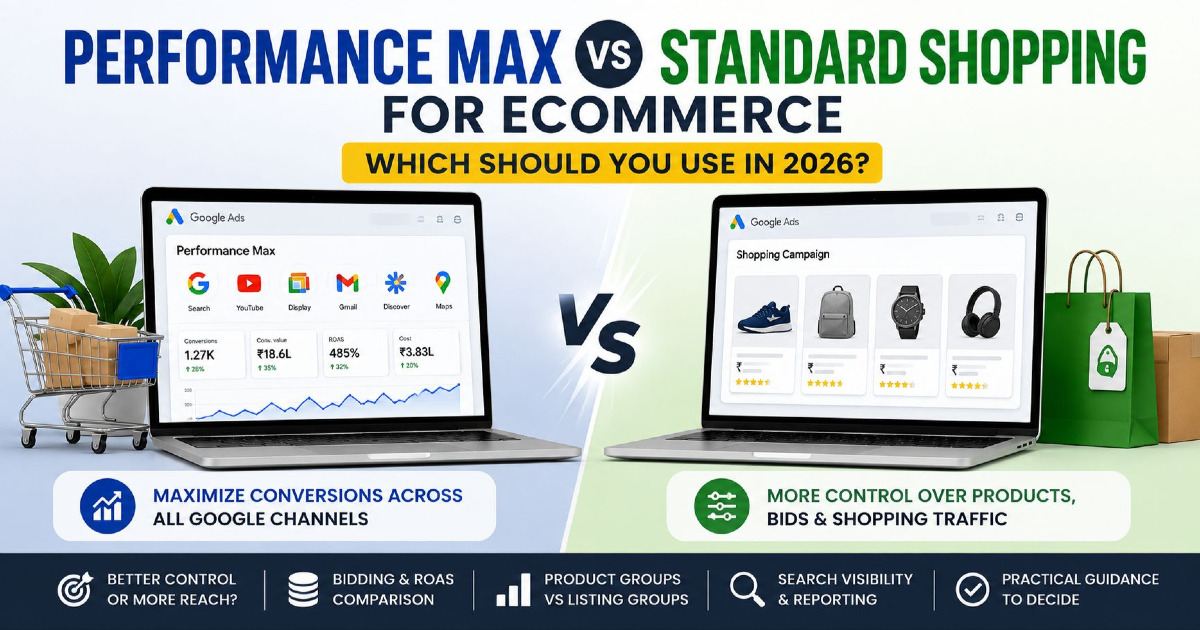
Google confirms that Performance Max campaigns can access inventory across Search, Maps, YouTube, Gmail, Display, and Discover while optimizing toward business goals such as leads, sales, and local actions.
For most restaurants, Search and Maps should generate the majority of conversions.
YouTube and Display campaigns are usually more effective for awareness and remarketing.
When Should Restaurants Use Google Ads?
Restaurants should use Google Ads whenever they need predictable customer acquisition instead of waiting for organic discovery.
Google Ads can be useful in multiple business situations.
New Restaurant Launches
A new restaurant often has limited visibility.
Google Ads can generate immediate exposure while organic visibility develops over time.
New Location Openings
Opening a second or third location requires awareness within a specific geographic area.
Location-targeted campaigns can introduce the new location to nearby customers.
Slow Weekday Traffic
Many restaurants experience lower demand during weekdays.
Promotions and targeted campaigns can improve occupancy during slower periods.
Seasonal Promotions
Restaurants frequently promote:
- Festival menus
- Weekend buffets
- Special events
- Holiday packages
- Family dining offers
Catering and Event Bookings
Catering enquiries often generate significantly higher order values than standard dine-in visits.
Dedicated campaigns can focus exclusively on catering and event-related searches.
What You Need Before Running Restaurant Ads
Restaurants should establish a strong foundation before spending money on advertising.
Many campaigns fail because the account setup is incomplete.
Google Business Profile
Your Google Business Profile should contain:
- Correct business name
- Address
- Phone number
- Opening hours
- Menu links
- Photos
- Reviews
Google location assets rely on Business Profile data to display location information, directions, and contact details inside advertisements.
Mobile-Friendly Website
Most restaurant searches occur on mobile devices.
Your website should load quickly and make it easy to:
- Call the restaurant
- Book a table
- View the menu
- Get directions
- Place an order
Dedicated Menu Pages
Menu pages help visitors evaluate pricing, cuisine options, and dining choices before contacting the restaurant.
Conversion Tracking
Before launching campaigns, define measurable actions.
Examples include:
- Phone calls
- Reservation submissions
- Table bookings
- Directions requests
- Online orders
- Catering enquiries
Consistent Business Information
Your restaurant name, address, and phone number should remain consistent across all marketing channels.
Inconsistent information can reduce trust and create confusion for potential customers.
The Restaurant Google Ads Funnel
The most successful restaurant campaigns align advertising with the customer journey instead of relying on a single campaign type.
Different campaigns influence customers at different stages.
| Funnel Stage | Campaign Type | Objective |
|---|---|---|
| Awareness | YouTube Ads | Introduce the restaurant |
| Discovery | Performance Max | Expand visibility |
| Consideration | Search Campaigns | Capture active interest |
| Decision | Brand Campaigns | Generate bookings |
| Retention | Remarketing | Encourage repeat visits |
Consider a family searching for a place to celebrate a birthday.
They may first see a restaurant video on YouTube.
Later they search for restaurants nearby.
They visit the website but do not book.
A remarketing campaign reminds them about the restaurant.
Finally, they return and complete a booking.
This is why restaurants should view Google Ads as a customer acquisition system rather than a collection of individual campaigns.
Which Google Ads Campaign Types Generate the Best Results for Restaurants?
Search campaigns should usually be the first Google Ads campaign for restaurants because they capture customers who are actively looking for a place to eat, order food, book a table, or arrange catering.
Many restaurant owners launch multiple campaign types at once.
This often creates unnecessary complexity and makes optimization difficult.
A better approach is to match campaign types with specific business objectives.
| Campaign Type | Primary Goal | Best For |
|---|---|---|
| Search Campaign | Capture active demand | Bookings, calls, orders |
| Performance Max | Multi-channel visibility | Local growth |
| Brand Campaign | Protect restaurant searches | Reservations |
| Remarketing Campaign | Bring visitors back | Repeat business |
| YouTube Campaign | Build awareness | New restaurant launches |
Google states that Performance Max campaigns can show ads across Search, Maps, YouTube, Display, Discover, and Gmail while optimizing toward defined business goals.
Search Campaigns for Restaurant Bookings, Calls and Orders
Search campaigns target people who are already looking for restaurants.
These users typically have the highest commercial intent.
Examples include:
- restaurant near me
- best family restaurant in surat
- pizza restaurant near me
- restaurant with banquet hall
- birthday party restaurant
- restaurant for anniversary dinner
Search campaigns allow restaurants to appear at the exact moment customers are evaluating dining options.
For most restaurants, Search campaigns should receive the largest portion of the advertising budget during the initial phase.
Performance Max Campaigns for Multi-Channel Restaurant Visibility
Performance Max campaigns help restaurants expand beyond search traffic and appear across Google's advertising inventory.
These campaigns are particularly useful when the business wants to increase:
- Direction requests
- Store visits
- Phone calls
- Reservations
- Local awareness
Google confirms that Performance Max for local business objectives can promote locations across Search, Maps, YouTube, Gmail, Business Profiles, Display Network, and other Google properties.
Restaurants with strong creative assets, quality photos, videos, reviews, and accurate Business Profile information generally perform better with Performance Max.
Brand Campaigns for Restaurant Name Searches
Brand campaigns protect searches that already contain the restaurant name.
Examples:
- icy spicy restaurant
- icy spicy menu
- icy spicy surat
- icy spicy booking
People searching for a restaurant name are often close to making a decision.
Brand campaigns help maintain visibility and control messaging during that decision stage.
Remarketing Campaigns for Returning Visitors
Remarketing targets users who previously interacted with the restaurant but did not convert.
Examples include visitors who:
- Viewed the menu
- Visited the reservation page
- Checked opening hours
- Viewed catering services
Remarketing often works best for:
- Fine dining restaurants
- Banquet venues
- Catering businesses
- Premium dining experiences
YouTube Campaigns for Restaurant Discovery
YouTube campaigns help restaurants create awareness before a search occurs.
Video content can showcase:
- Restaurant ambience
- Signature dishes
- Live events
- Family dining experiences
- Chef specials
YouTube usually supports awareness and consideration stages rather than immediate bookings.
How Should a Restaurant Structure Google Ads Campaigns?
Campaign structure should separate different customer intents instead of combining all keywords into a single campaign.
Intent-based campaign structures improve reporting, budget control, and optimization.
| Campaign | Target Audience | Primary Conversion |
|---|---|---|
| Brand Campaign | Restaurant name searches | Bookings |
| Cuisine Campaign | Cuisine searches | Calls |
| Location Campaign | Nearby diners | Directions |
| Catering Campaign | Event planners | Lead enquiries |
| Remarketing Campaign | Past visitors | Repeat visits |
This structure prevents high-value keywords from competing with lower-value traffic inside the same campaign.
How to Find Keywords for Restaurant Google Ads
Restaurant keyword research should focus on location intent, cuisine intent, occasion intent, and ordering intent.
Many restaurant accounts waste budget by targeting broad terms with unclear commercial intent.
The goal is not traffic.
The goal is attracting people ready to visit, order, or book.
Near Me Restaurant Keywords
These searches often indicate immediate intent.
- restaurant near me
- best restaurant near me
- family restaurant near me
- vegetarian restaurant near me
- restaurant open now
Cuisine-Based Restaurant Keywords
These searches reflect food preferences.
- gujarati restaurant
- punjabi restaurant
- south indian restaurant
- chinese restaurant
- pizza restaurant
Occasion-Based Restaurant Keywords
These searches often generate higher-value customers.
- birthday party restaurant
- anniversary dinner restaurant
- corporate dinner venue
- family dinner restaurant
- banquet restaurant
Delivery and Takeaway Keywords
These searches indicate transactional intent.
- pizza delivery
- biryani delivery
- food delivery near me
- takeaway restaurant
- online food order
Keyword groups should remain separated because user intent differs significantly between dining, delivery, catering, and event-related searches.
How Far Should Restaurants Target Customers With Google Ads?
Location targeting should match the distance customers are willing to travel for the dining experience.
A coffee shop and a fine dining restaurant should not use the same targeting radius.
| Restaurant Type | Recommended Radius |
|---|---|
| Cafe | 2 to 5 km |
| Fast Food Restaurant | 3 to 8 km |
| Casual Dining | 5 to 10 km |
| Fine Dining | 10 to 25 km |
| Banquet Venue | 25 to 50 km |
| Catering Business | 25 to 75 km |
Google's local advertising systems use Business Profile locations and proximity signals to help reach customers likely to visit physical locations.
Radius selection should reflect actual customer behavior rather than arbitrary geographic boundaries.
When Should Restaurant Ads Run During the Day?
Ad schedules should align with customer dining behavior and restaurant operating hours.
Restaurants often see different demand patterns throughout the day.
| Time Period | Primary Objective |
|---|---|
| 7 AM to 11 AM | Breakfast traffic |
| 11 AM to 3 PM | Lunch traffic |
| 3 PM to 6 PM | Awareness and planning |
| 6 PM to 10 PM | Dinner bookings |
| Weekends | Family dining and events |
Historical conversion data should ultimately determine schedule optimization.
Restaurants with delivery services may require broader coverage than dine-in-focused businesses.
How Should Restaurant Ad Copy and Promotions Be Written?
Restaurant advertisements should focus on dining experiences, menu highlights, offers, location convenience, and booking actions.
Effective restaurant advertisements answer a simple question.
Why should the customer choose this restaurant?
Family Restaurant Ad Example
Family Dining Restaurant in Surat
Fresh Food, Comfortable Seating and Weekend Specials
Book Your Table Today
Cafe Advertisement Example
Specialty Coffee and Fresh Snacks
Work-Friendly Cafe With Free WiFi
Visit Today
Fine Dining Advertisement Example
Premium Fine Dining Experience
Chef Curated Menu and Elegant Ambience
Reserve Your Table Online
Catering Advertisement Example
Catering Services for Corporate and Family Events
Custom Menus Available
Request a Quote Today
How to Use Google Business Profile and Location Assets to Increase Restaurant Visits
Google Business Profile and location assets help restaurants appear more prominently across Google Search, Google Maps, and Performance Max campaigns while making it easier for customers to call, get directions, or visit the restaurant.
Many restaurant owners focus entirely on campaigns and ignore the business profile connected to those campaigns.
This creates a weak local advertising foundation.
Google location assets can display information such as business address, phone number, directions, distance, opening hours, and map information directly within advertisements. They can also work with Performance Max campaigns and Google Maps placements.
Information Every Restaurant Business Profile Should Include
- Accurate restaurant name
- Primary category
- Secondary categories
- Complete address
- Phone number
- Business hours
- Menu URL
- Reservation URL
- Food photographs
- Interior photographs
- Customer reviews
Before increasing advertising budgets, verify that all business profile information matches the website and customer-facing information.
Why Location Assets Matter for Restaurants
Restaurants depend heavily on local intent.
Many searches occur while customers are deciding where to eat.
Examples include:
- restaurant near me
- best restaurant in surat
- family restaurant near me
- restaurant open now
- dinner restaurant near me
Location assets help Google connect those searches with nearby restaurant locations. Google confirms that location assets can display address information, distance, directions, business details, and call functionality directly within ads.
What Should a Restaurant Landing Page Include?
A restaurant landing page should remove uncertainty and help visitors make a booking, place an order, request directions, or contact the restaurant.
Sending paid traffic to a generic homepage is one of the most common restaurant advertising mistakes.
The landing page should match the search intent.
| Search Intent | Recommended Landing Page |
|---|---|
| Restaurant booking | Reservation page |
| Menu search | Menu page |
| Catering enquiry | Catering page |
| Birthday party venue | Event page |
| Family dining | Dining experience page |
Essential Restaurant Landing Page Elements
- Clear headline
- Restaurant images
- Menu information
- Pricing examples
- Reservation form
- Click-to-call button
- Directions button
- Customer reviews
- Opening hours
- Parking information if available
If the website loads slowly or makes reservations difficult, advertising performance usually declines regardless of campaign quality.
Before scaling campaigns, consider running a Website SEO Audit Guide review to identify conversion barriers.
Which Conversions Should Restaurants Track in Google Ads?
Restaurants should track business outcomes rather than focusing only on clicks and impressions.
Many restaurant accounts optimize for traffic.
Successful restaurant advertisers optimize for customer actions.
Primary Restaurant Conversions
| Conversion Type | Business Value |
|---|---|
| Phone calls | High |
| Reservation submissions | High |
| Directions requests | High |
| Online orders | High |
| Catering enquiries | Very High |
| WhatsApp enquiries | Medium to High |
| Menu views | Supporting signal |
Google recommends using conversion tracking to measure business outcomes and evaluate campaign success. Conversion actions allow advertisers to measure calls, visits, leads, and other valuable actions.
Remarketing Audience Tracking
Not every visitor books immediately.
Create audiences for:
- Menu visitors
- Reservation page visitors
- Catering page visitors
- Past customers
- Website visitors within the last 30 to 180 days
For implementation instructions, see How to Create a Remarketing Audience in Google Ads.
Which Negative Keywords Should Restaurants Add?
Negative keywords prevent ads from appearing for searches that are unlikely to generate customers.
This is one of the fastest ways to reduce wasted advertising spend.
| Negative Keyword Category | Examples |
|---|---|
| Jobs | waiter jobs, chef jobs, restaurant jobs |
| Education | hotel management course, cooking classes |
| Recipes | pizza recipe, pasta recipe, biryani recipe |
| Equipment | restaurant furniture, kitchen equipment |
| Franchise | restaurant franchise, franchise opportunity |
| Downloads | menu template, menu pdf template |
Negative keyword reviews should occur regularly because search behavior changes over time.
How Much Should Restaurants Spend on Google Ads?
Restaurant advertising budgets should be based on customer value, competition, location, and growth objectives rather than arbitrary monthly spending targets.
There is no universal restaurant advertising budget.
A fine dining restaurant and a local cafe operate under different economics.
Factors That Influence Restaurant Advertising Budgets
- City competition
- Cuisine popularity
- Average order value
- Average reservation value
- Customer lifetime value
- Delivery coverage area
- Target radius
A restaurant generating high-value catering leads can often justify a higher advertising investment than a business focused only on low-value takeaway orders.
Budget Planning Framework
| Business Objective | Recommended Focus |
|---|---|
| More walk-ins | Maps and local search |
| More bookings | Search campaigns |
| More catering enquiries | Lead generation campaigns |
| More delivery orders | Order-focused campaigns |
| Brand awareness | Performance Max and YouTube |
Budget allocation should follow conversion data rather than assumptions.
Which Google Ads Strategy Works Best for Different Restaurant Types?
Different restaurant business models require different campaign strategies because customer behavior and conversion goals vary significantly.
| Restaurant Type | Recommended Campaign Focus |
|---|---|
| Cloud Kitchen | Search and delivery keywords |
| Cafe | Search and Maps visibility |
| Family Restaurant | Search and Performance Max |
| Fine Dining Restaurant | Search and remarketing |
| Catering Business | Lead generation campaigns |
| Banquet Restaurant | Event and booking campaigns |
Cloud Kitchen Advertising Strategy
Cloud kitchens depend heavily on delivery intent.
Campaigns should focus on:
- Food delivery searches
- Cuisine-specific searches
- Order-focused landing pages
Family Restaurant Advertising Strategy
Family restaurants often benefit from:
- Location targeting
- Weekend promotions
- Group dining offers
- Family meal packages
Fine Dining Advertising Strategy
Fine dining customers often spend more time evaluating options.
Remarketing campaigns can be particularly valuable because the purchase cycle is longer than casual dining.
What Are the Most Common Google Ads Mistakes Restaurants Make?
Most restaurant advertising budgets are wasted because campaigns target the wrong audience, measure the wrong metrics, or send visitors to poor landing pages.
Campaign optimization becomes much easier when common mistakes are eliminated before increasing budgets.
| Mistake | Impact | Recommended Fix |
|---|---|---|
| Sending traffic to homepage | Low conversion rates | Use dedicated landing pages |
| No conversion tracking | Poor decision making | Track calls, bookings and orders |
| Broad keyword targeting | Wasted spend | Use intent-based keywords |
| No negative keywords | Irrelevant traffic | Build negative keyword lists |
| Large targeting radius | Low quality leads | Match radius to restaurant type |
| Ignoring Google Business Profile | Reduced local visibility | Keep profile updated |
| No remarketing strategy | Lost opportunities | Re-engage previous visitors |
| Optimizing for clicks only | Poor ROI visibility | Optimize for conversions |
Google recommends using conversion-focused campaign objectives because campaign automation uses conversion data to improve performance across advertising channels.
How Should Restaurants Measure Google Ads Performance?
Restaurant advertising success should be measured using business outcomes rather than traffic metrics.
Clicks and impressions are useful indicators.
They do not tell you whether advertising is generating customers.
The most valuable metrics are connected to revenue-producing actions.
| Metric | Why It Matters |
|---|---|
| Phone Calls | Direct customer enquiries |
| Table Bookings | Reservation demand |
| Online Orders | Revenue generation |
| Direction Requests | Local visit intent |
| Catering Leads | High-value opportunities |
| Cost Per Booking | Profitability measurement |
| Cost Per Order | Efficiency measurement |
| Return Customers | Long-term value |
Google Maps advertising can generate measurable actions such as direction requests, location detail views, mobile calls, and store visit-related conversions.
Restaurant KPI Dashboard Example
| Business Goal | Primary KPI | Secondary KPI |
|---|---|---|
| More Bookings | Reservations | Cost per booking |
| More Walk-ins | Direction requests | Store visits |
| More Orders | Orders | Revenue |
| More Catering | Qualified leads | Lead value |
| More Calls | Phone calls | Call duration |
Performance reviews should focus on business growth rather than vanity metrics.
Should Restaurants Combine Google Ads With Local SEO?
Yes. Google Ads generates immediate visibility while local SEO helps restaurants build long-term visibility in Search and Maps.
The two channels support different objectives.
| Channel | Primary Benefit |
|---|---|
| Google Ads | Immediate traffic and bookings |
| Local SEO | Long-term local visibility |
| Google Business Profile | Maps visibility |
| Review Management | Trust building |
Restaurants that rely entirely on paid advertising often face rising acquisition costs over time.
Restaurants that combine paid and organic visibility usually create a more sustainable customer acquisition system.
For a deeper local search optimization framework, read the Local SEO Guide.
When Should You Hire a Google Ads Specialist for Restaurant Advertising?
A Google Ads specialist becomes valuable when advertising budgets increase, conversion tracking becomes more complex, or the restaurant needs predictable customer acquisition.
Many restaurant owners can launch campaigns.
The challenge is maximizing profitability.
An experienced specialist can help with:
- Campaign architecture
- Keyword strategy
- Location targeting
- Conversion tracking
- Remarketing
- Performance Max optimization
- Budget allocation
- Reporting and attribution
If you need help creating or optimizing restaurant advertising campaigns, learn more about working with a Google Ads Expert.
Frequently Asked Questions About Restaurant Google Ads
How much should a restaurant spend on Google Ads?
Advertising budgets depend on location, competition, average customer value, business goals, and service area. Restaurants should base budgets on expected customer value rather than arbitrary monthly spending amounts.
Can restaurants advertise on Google Maps?
Yes. Restaurants can appear in Google Maps through location assets, Business Profile integration, Search campaigns, and Performance Max campaigns. Google Maps actions can include calls, direction requests, and location interactions.
Are Google Ads better than food delivery platform promotions?
The two channels serve different purposes. Delivery platforms help acquire customers within their ecosystem, while Google Ads helps restaurants build direct visibility and customer relationships.
Should restaurants use Performance Max campaigns?
Performance Max campaigns can work well when conversion tracking, Business Profile integration, creative assets, and campaign goals are properly configured. They help restaurants reach customers across multiple Google properties.
How long does it take to see results from Google Ads?
Search campaigns can generate clicks and enquiries shortly after launch. Performance improvements usually require sufficient conversion data and optimization over time.
What conversions should restaurants track?
Restaurants should track calls, reservations, online orders, catering enquiries, direction requests, and other revenue-related customer actions.
Do restaurants need a website before running Google Ads?
A website is strongly recommended because it provides a destination for reservations, menu information, catering enquiries, and conversion tracking.
Can cloud kitchens use Google Ads?
Yes. Cloud kitchens often benefit from search campaigns targeting delivery-related keywords, cuisine-specific searches, and local order intent.
Final Takeaway
Successful restaurant advertising on Google combines Search campaigns, Business Profile optimization, location assets, conversion tracking, landing page optimization, and ongoing campaign management.
Search campaigns capture existing demand.
Google Maps helps nearby customers discover locations.
Performance Max expands visibility across Google's advertising ecosystem.
Remarketing helps bring interested visitors back.
Conversion tracking provides the data needed to improve results.
The restaurants that generate the strongest return from Google Ads typically follow a structured process:
- Build a complete Google Business Profile
- Create conversion-focused landing pages
- Launch intent-driven Search campaigns
- Track calls, bookings and orders
- Use negative keywords aggressively
- Expand into Performance Max when sufficient data exists
- Review performance using business outcomes rather than clicks
Google advertising works best when campaigns are aligned with customer intent, local targeting, business objectives, and measurable conversions. Restaurants that treat Google Ads as a customer acquisition system rather than a traffic source are more likely to generate consistent bookings, orders, walk-ins, and long-term business growth.