Google Ads for gyms is a local lead generation strategy that uses Search campaigns, location targeting, call assets, location assets, landing pages, remarketing, and conversion tracking to generate gym enquiries, trial bookings, phone calls, WhatsApp chats, and paid memberships.
A gym does not need every website visitor. It needs people near the gym who are ready to join, book a trial, speak with a trainer, ask about membership plans, or visit the location. Google Ads works well for gyms because many users search with local intent, such as “gym near me,” “personal trainer near me,” “ladies gym near me,” “fitness classes near me,” and “gym membership near me.”
In 2026, gym advertising should not be judged only by clicks or form leads. A strong gym PPC setup connects the full journey: local search, ad click, landing page, call or WhatsApp enquiry, trial booking, trial attendance, follow-up, membership purchase, and renewal.
This guide explains how to run Google Ads for gyms with local keywords, campaign structure, location targeting, Google Business Profile, call assets, landing pages, tracking, remarketing, seasonal planning, and membership-level conversion measurement.
What Are Google Ads for Gyms?
Google Ads for gyms are paid campaigns that show gym ads to users searching for fitness centres, personal trainers, fitness classes, trial offers, and gym memberships in a specific location.
Gym ads are usually local intent campaigns. A person searching for “gym near me” is not only researching fitness. The user is often comparing nearby gyms, timings, facilities, membership fees, trainers, reviews, parking, and free trial options.
Google Ads can help gyms promote:
- Gym memberships: Monthly, quarterly, yearly, student, family, or corporate plans.
- Trial sessions: One-day trials, three-day trials, seven-day trials, or consultation visits.
- Personal training: Strength training, beginner training, weight management support, transformation coaching, or trainer-led programs.
- Group classes: Yoga, Zumba, HIIT, CrossFit-style workouts, spinning, pilates, functional training, or strength batches.
- Facility features: Steam bath, lockers, parking, women-only batches, certified trainers, open gym, or 24-hour access.
- Branch promotions: Ads for one location, multiple branches, new branch launches, or local seasonal offers.
Why Google Ads Works for Local Gym Lead Generation
Google Ads works for gyms because it reaches users when they are actively searching for a nearby gym, trainer, class, or membership option.
Gym marketing has a clear local decision factor. Most people choose a gym based on distance, timings, budget, facilities, trainer quality, reviews, and comfort. Search campaigns can target this high-intent demand better than broad awareness campaigns.
Google Ads is useful for gyms because it can connect search intent with a local action:
| User Search Intent | Example Query | Best Ad Message | Best Conversion Action |
|---|---|---|---|
| Nearby gym search | gym near me | Visit a nearby gym with flexible timings and trial options. | Call, direction click, trial form, WhatsApp chat. |
| Membership comparison | gym membership near me | Compare membership plans and book a trial session. | Membership enquiry, trial booking. |
| Trainer requirement | personal trainer near me | Train with certified trainers for strength, fitness, and routine building. | Trainer consultation lead. |
| Audience-specific need | ladies gym near me | Women-friendly gym with suitable batches and trainer support. | Call, WhatsApp, form enquiry. |
| Class-based intent | zumba classes near me | Join fitness classes with batch timings and trial availability. | Class trial booking. |
Search ads should not send every user to the homepage. A user searching for personal training should land on a personal training page or a section that clearly explains trainers, programs, timings, consultation options, and contact details.
How the Gym Google Ads Funnel Works
The gym Google Ads funnel moves users from local search to enquiry, trial booking, trial attendance, membership purchase, and renewal tracking.
Many gym campaigns fail because they track only form submissions or call clicks. A form lead is not the final business result. The real goal is a paid membership or a recurring member relationship.
A practical gym PPC funnel has these steps:
- Search: A user searches for gym, trainer, class, or membership-related queries near the gym location.
- Ad click: The user clicks an ad with a local message, call option, location detail, or trial offer.
- Landing page visit: The page explains facilities, timings, pricing guidance, trainers, reviews, and trial options.
- Lead action: The user calls, submits a form, clicks WhatsApp, requests a callback, or asks for a trial.
- Trial booking: The gym team confirms a time slot, trainer availability, or class batch.
- Trial attendance: The user visits the gym or attends a class.
- Follow-up: The sales or front desk team follows up with plans, offers, and membership options.
- Membership purchase: The user buys a membership plan.
- Offline conversion import: The gym sends membership data back into Google Ads where tracking setup allows it.
The campaign becomes stronger when Google Ads receives data beyond the first lead. Google’s offline conversion import documentation explains that advertisers can measure what happens offline after an ad results in a click or call, such as a later sale over the phone or at a physical location.
Best Google Ads Campaign Types for Gyms
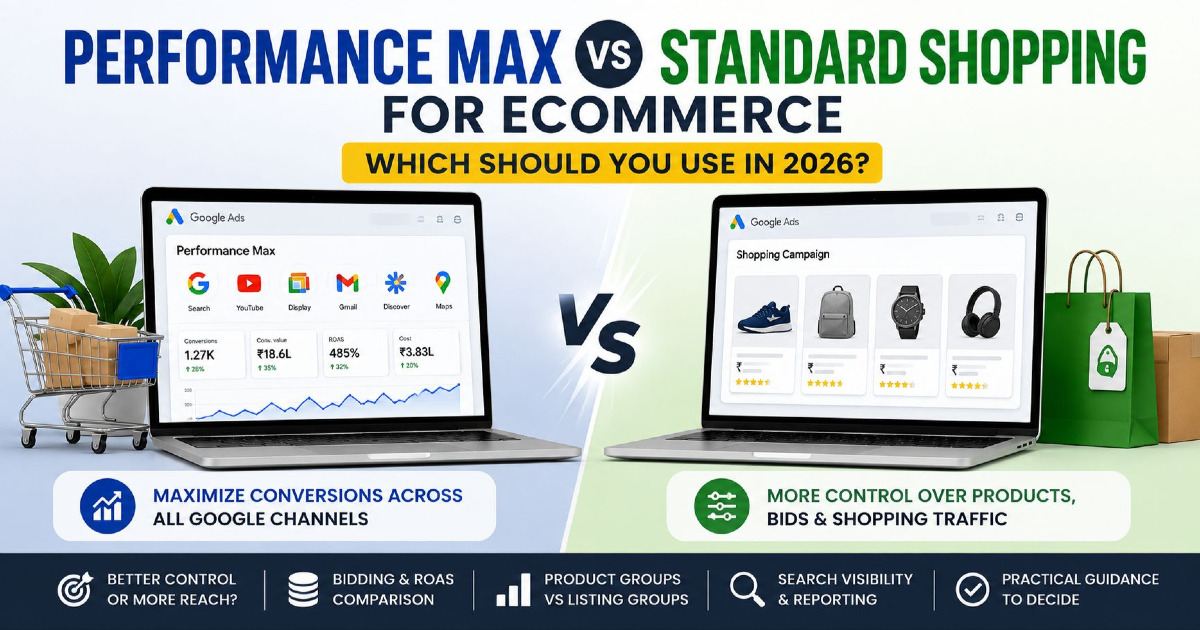
The best campaign types for gyms are Search campaigns for high-intent local searches, remarketing campaigns for past visitors, and Performance Max only after tracking and assets are ready.
A gym should not start with every campaign type at once. Search campaigns usually give the clearest intent because users are actively looking for a gym or fitness service. Performance Max and YouTube can support growth after the gym has good conversion tracking, photos, videos, local assets, and clean lead data.
| Campaign Type | Best Use for Gyms | When to Use | Risk |
|---|---|---|---|
| Search campaign | Capture users searching for gym near me, personal trainer, fitness classes, and memberships. | Start here for lead generation. | Can waste budget without negative keywords and location control. |
| Call-focused Search ads | Generate phone calls from mobile users. | Use during business hours when staff can answer calls. | Low-quality calls if keywords are too broad. |
| Display remarketing | Reach people who visited the website but did not enquire. | Use after enough website traffic exists. | Can annoy users if frequency is too high. |
| YouTube remarketing | Show gym videos, trainer introductions, facility tours, and member proof. | Use when gym has useful video assets. | Weak if videos are generic or low quality. |
| Performance Max | Expand across Search, Maps, YouTube, Display, Discover, and Gmail using Google AI. | Use after Search campaigns and conversion tracking are stable. | Can optimize for weak leads if membership tracking is missing. |
| Performance Max for store goals | Promote physical gym locations and optimize toward store visits, calls, directions, or local actions where eligible. | Use when Google Business Profile, location assets, and local conversion goals are ready. | Needs careful review because local actions may not equal paid memberships. |
Google describes Performance Max as a goal-based campaign type that can access Google Ads inventory across channels and is designed to complement keyword-based Search campaigns. For local fitness businesses, it should support Search, not replace a well-built Search campaign.
Google Search Campaign Structure for Gyms
A gym Search campaign should be structured by service intent, location intent, audience type, and lead value instead of placing every keyword into one ad group.
One campaign with all keywords makes reporting and optimization difficult. “Gym near me,” “personal trainer near me,” “Zumba classes,” “ladies gym,” and “gym membership fees” are different intents. Each needs different ad copy and a relevant landing section.
| Campaign or Ad Group | Keyword Examples | Landing Page Focus | Best CTA |
|---|---|---|---|
| Gym Membership | gym membership near me, join gym near me, best gym near me | Membership plans, timings, facilities, trial option, location. | Book Free Trial or Call Now |
| Personal Training | personal trainer near me, gym personal trainer, fitness trainer near me | Trainer profile, training process, consultation, goals, timings. | Book Trainer Consultation |
| Women Fitness | ladies gym near me, women gym near me, female fitness trainer | Women-friendly batches, trainers, timings, comfort, safety, facilities. | Enquire on WhatsApp |
| Group Classes | Zumba classes near me, HIIT classes near me, yoga classes near me | Batch schedule, class type, trainer, trial class, package options. | Book Trial Class |
| Facility-Based Search | 24 hour gym near me, gym with steam bath, gym with parking | Facilities, access hours, location, membership plan. | Call or Visit Gym |
Separate ad groups make ad relevance stronger. A user searching for “personal trainer near me” should see ad copy about trainers and land on personal training content, not a generic homepage.
Keyword Strategy for Gym Ads
Gym keywords should be selected by joining intent, service intent, audience intent, facility intent, and location intent.
The best keywords are not always the highest-volume keywords. A keyword like “fitness” is too broad. A keyword like “gym membership near me” is more specific and closer to a conversion action.
| Keyword Intent | Examples | Lead Quality | Recommended Page |
|---|---|---|---|
| Immediate joining intent | gym near me, join gym near me, gym membership near me | High | Membership or trial landing page. |
| Service-specific intent | personal trainer near me, strength training gym, fitness trainer near me | High | Personal training page. |
| Class intent | Zumba classes near me, HIIT classes, yoga classes near me | Medium to high | Class schedule page. |
| Audience-specific intent | ladies gym near me, gym for beginners, women fitness classes | High when the gym matches the need | Audience-specific landing section. |
| Facility intent | 24 hour gym, gym with parking, gym with steam bath | Medium to high | Facilities section or branch page. |
| Price comparison intent | gym fees near me, gym membership price, gym offers near me | Medium | Pricing or plan comparison section. |
Use exact match and phrase match for high-intent starting campaigns. Broad match can be tested later when conversion tracking, negative keywords, and offline membership data are strong enough to guide bidding.
Negative Keywords for Gym Campaigns
Negative keywords help gyms block searches from users looking for jobs, equipment, free workouts, certification courses, home gym products, or general fitness information.
Gym keywords attract many users who are not ready to join a gym. Without negative keywords, ads may show for people looking for gym equipment, workout charts, jobs, home gym setup, exercise PDFs, or fitness courses.
| Negative Keyword Group | Examples | Why It May Waste Budget |
|---|---|---|
| Job intent | job, vacancy, salary, hiring, trainer job, gym receptionist job | The user is looking for employment, not membership. |
| Equipment intent | equipment, machine, dumbbell, treadmill, repair, supplier, wholesale | The user wants products or suppliers, not a gym membership. |
| Home gym intent | home gym, setup, equipment for home, home workout | The user may not want a physical gym. |
| Free workout intent | free workout, free exercise plan, free diet chart, workout PDF | The user wants information or downloads. |
| Education and certification | course, certification, trainer course, diploma, institute | The user wants education, not training services. |
| Design and business setup | gym design, gym franchise, gym business plan, interior design | The user wants to build or run a gym. |
| Media and entertainment | music, images, wallpaper, quotes, logo, video download | The user wants content, not a membership. |
| Medical or rehab intent | physiotherapy, rehab, injury treatment, medical therapy | The user may need healthcare support instead of a gym, unless the gym offers qualified rehab services. |
Review the search terms report regularly. Do not add a negative keyword only because it looks broad. For example, “beginner” may be a good keyword if the gym offers beginner-friendly training.
Location Targeting for Gyms
Gym location targeting should focus on people who can realistically visit the gym based on distance, travel time, traffic, neighbourhood, and branch capacity.
Most gym leads come from a small service area around the physical location. A person who lives too far away may click, enquire, and never visit. Radius targeting should match the city layout and local travel behaviour.
| Gym Situation | Recommended Location Logic | Reason |
|---|---|---|
| Single neighbourhood gym | Target a tight radius around the gym and nearby residential areas. | Most members prefer a gym close to home or work. |
| Premium gym | Target a slightly wider radius with high-income neighbourhoods and office areas. | Users may travel farther for better facilities and trainers. |
| Women-only gym | Target nearby residential zones and safe commute areas. | Convenience and comfort affect lead quality. |
| Corporate area gym | Target office zones during morning and evening search hours. | Working professionals may search before or after office time. |
| Multi-location gym | Create branch-level targeting and avoid unnecessary overlap. | Each branch needs its own budget, landing page, and lead tracking. |
Use location reports to check which areas produce leads and which areas produce memberships. A locality with cheap leads may still be weak if users do not attend trials or buy memberships.
Location Assets, Call Assets and Google Business Profile
Location assets, call assets, and Google Business Profile help gym ads show local details such as address, map, phone number, distance, directions, and branch information.
Gyms should connect paid ads with local proof. Users want to know where the gym is, how far it is, whether it is open, how to call, and whether the place looks trustworthy.
Google’s location assets documentation explains that location assets can show store address, a map, or approximate travel distance to help people find physical stores. This is directly useful for gym ads because location is a major conversion factor.
Google’s call assets documentation explains that call assets let advertisers add phone numbers to ads, which helps mobile users contact the business directly.
| Asset or Local Setup | What It Shows | Why It Matters for Gyms |
|---|---|---|
| Google Business Profile | Business name, address, phone, hours, reviews, photos, directions. | Builds local trust and supports location-based discovery. |
| Location asset | Address, map, distance, and local location details. | Helps nearby users confirm the gym is accessible. |
| Call asset | Phone number in the ad. | Helps users call directly from mobile search results. |
| Sitelink asset | Links to membership plans, trial booking, personal training, or class schedule. | Lets users choose the right path before clicking. |
| Callout asset | Short benefits such as certified trainers, flexible timings, parking, trial session. | Adds reasons to choose the gym. |
Gym Landing Page Checklist
A gym landing page should show the offer, location, timings, facilities, pricing guidance, trainers, reviews, photos, trial options, and contact buttons clearly.
A gym ad should not send users to a slow homepage with no clear action. The landing page should match the keyword. A personal training keyword needs trainer information. A ladies gym keyword needs women-friendly batches, trainers, timings, and comfort signals.
| Landing Page Element | What to Show | Why It Helps Conversion |
|---|---|---|
| Clear headline | Gym name, locality, service, and main offer. | Confirms that users reached the right page. |
| Trial offer | Free trial, paid trial, consultation, or class trial. | Reduces friction before membership purchase. |
| Pricing guidance | Monthly, quarterly, annual, personal training, or class packages. | Filters users with mismatched budgets. |
| Timings | Opening hours, trainer hours, batch timings, women-only hours if available. | Helps users match the gym with their schedule. |
| Location details | Map, landmark, parking, nearby area, branch address. | Supports the local decision. |
| Facility proof | Photos, videos, equipment, lockers, changing rooms, hygiene, workout areas. | Reduces trust gap before visit. |
| Trainer information | Trainer names, certifications, specialization, experience, availability. | Supports personal training and premium membership enquiries. |
| Reviews | Google reviews, member feedback, testimonials, rating screenshots if allowed. | Builds local trust. |
| Contact options | Call button, WhatsApp button, form, callback request. | Supports different enquiry preferences. |
| FAQs | Fees, trial, cancellation, trainer support, timings, parking, women batches. | Answers objections before the lead action. |
Conversion Tracking for Gym Leads and Memberships
Gym conversion tracking should measure form leads, phone calls, WhatsApp clicks, trial bookings, trial attendance, and paid memberships.
If a gym tracks only page views or WhatsApp clicks, Google Ads may optimize for weak signals. A click on WhatsApp does not always mean the user joined the gym. Better tracking separates small actions from real business results.
| Conversion Action | Example | Tracking Priority | Why It Matters |
|---|---|---|---|
| Form submit | User submits trial or membership enquiry form. | Primary for lead campaigns. | Shows clear lead intent. |
| Phone call | User calls from ad or landing page. | Primary when calls are answered and qualified. | Gym leads often prefer quick mobile calls. |
| WhatsApp click | User clicks WhatsApp chat button. | Secondary or micro conversion unless lead quality is verified. | Useful for mobile enquiries, but not equal to membership. |
| Direction click | User clicks directions from local ad or location asset. | Secondary local action. | Shows visit intent but not confirmed membership. |
| Trial booked | Front desk confirms a trial slot. | Strong primary conversion. | Better than a raw form lead. |
| Trial attended | User visits the gym for trial or class. | Strong offline conversion. | Shows real local intent. |
| Membership purchased | User buys a membership plan. | Best conversion signal. | Connects ad spend with revenue. |
Google’s enhanced conversions for leads documentation explains that enhanced conversions for leads can improve offline conversion measurement using user-provided data. This is useful when a gym collects lead information online and later confirms the membership offline.
Offline Conversion Import for Trial to Member Tracking
Offline conversion import helps gyms send trial attendance and membership purchase data back into Google Ads after the lead is handled by phone, WhatsApp, front desk, or CRM.
This is important because most gym sales do not happen directly on the website. A user may click an ad, call the gym, visit after two days, take a trial, and buy a quarterly plan at the front desk. If that final sale is not imported, Google Ads sees only the first lead action.
A gym can use this tracking flow:
- Capture the lead from Google Ads with form, call, or WhatsApp source data.
- Store lead details in CRM, Google Sheet, gym management software, or front desk system.
- Tag the lead with campaign, ad group, keyword, branch, landing page, and enquiry type.
- Update status after follow-up: new lead, contacted, trial booked, trial attended, membership purchased, lost.
- Import trial attended or membership purchased conversions back into Google Ads where setup allows it.
- Add membership value when revenue data is available.
This helps bidding systems learn which searches and ads create members, not only enquiries.
Should Gyms Use Performance Max?
Gyms can use Performance Max after Search campaigns, location assets, conversion tracking, creative assets, and membership-quality signals are properly set up.
Performance Max should not be the first campaign when a gym has no clean lead tracking. Google’s Performance Max lead generation guidance explains that AI needs the right inputs to optimize toward the right leads. If the campaign receives only weak WhatsApp clicks or low-quality forms, it may learn the wrong pattern.
For gyms, Performance Max can help when:
- The Google Business Profile is accurate and connected where needed.
- Location assets are active.
- Call and direction actions are tracked.
- Trial bookings and memberships are measured where possible.
- The gym has strong images, videos, trainer proof, facility photos, and local messaging.
- Search campaigns already show which keywords and locations produce quality leads.
Google’s Performance Max for store goals documentation explains that store goal campaigns can optimize for offline business goals such as store visits, store sales, and local actions, including call clicks and direction clicks. For gyms, these local actions should be reviewed with membership data before increasing budget.
Remarketing Strategy for Gyms
Remarketing helps gyms reach users who visited the website, viewed membership plans, checked class schedules, clicked WhatsApp, or visited the contact page without joining.
Gym users often compare multiple fitness centres before deciding. Remarketing can remind them about the gym’s facilities, trial offer, trainers, timings, reviews, and location.
Useful remarketing audiences for gyms include:
- All website visitors: Users who visited the website but did not enquire.
- Membership page visitors: Users who viewed plans or pricing guidance.
- Personal training visitors: Users who viewed trainer or PT pages.
- Class schedule visitors: Users who checked yoga, Zumba, HIIT, or group class timings.
- Contact page visitors: Users who showed local enquiry intent.
- Trial form abandoners: Users who started but did not submit a trial booking.
- Past leads: Users who enquired earlier but did not become members, where policy and consent allow remarketing.
Remarketing creatives should not use body-shaming or personal health claims. Use safer messages such as “Book a trial session,” “Visit the gym near your area,” “Check flexible timings,” or “Speak with a trainer.”
Policy-Safe Ad Copy for Gyms
Gym ads should avoid unrealistic body claims, personal-attribute targeting, fear-based wording, and sensitive health assumptions.
Fitness ads often use aggressive language around weight, body shape, transformation, or appearance. That can create policy and trust problems. Google’s health in personalized advertising guidance explains restrictions around health-related personalized advertising, especially when advertisers use audience targeting or remarketing.
| Risky Ad Angle | Safer Ad Angle | Reason |
|---|---|---|
| Lose 10 kg fast | Start a structured fitness routine with trainer support. | Avoids unrealistic outcome claims. |
| Are you overweight? | Book a beginner-friendly fitness consultation. | Avoids personal-attribute language. |
| Guaranteed transformation | Train with certified trainers and flexible workout plans. | Avoids guarantee claims. |
| Get a beach body | Join strength, cardio, and group fitness sessions. | Avoids body-image pressure. |
| Fix medical problems | Improve fitness routine with guided exercise support. | Avoids medical treatment positioning. |
Good gym ad copy focuses on facilities, trainers, timings, trial options, location, reviews, membership plans, and service fit.
Seasonal Google Ads Strategy for Gyms
Gym ad budgets should change by local demand, seasonal fitness intent, class schedule, membership offer, and branch capacity.
Gym enquiries change during the year. New year resolutions, summer routines, monsoon indoor workouts, festival periods, and year-end membership offers can affect search behaviour and conversion rate.
| Period | Common User Intent | Campaign Angle |
|---|---|---|
| January to February | New fitness routine, gym membership, beginner fitness. | New year membership, free trial, beginner-friendly training. |
| March to May | Routine building, summer schedule, morning and evening batches. | Flexible timings, personal training, group classes. |
| June to July | Indoor fitness during monsoon. | Indoor workout facility, classes, trainer-guided sessions. |
| August to September | Back-to-routine searches after travel, exams, or work changes. | Working professional batches, student plans, monthly plans. |
| October to November | Festival fitness, pre-wedding fitness, evening workout plans. | Trainer consultation, annual plans, flexible schedules. |
| December | Year-end plans and new year pre-booking. | Annual membership, trial booking, January batch pre-registration. |
Do not increase budget only because a season looks popular. Check whether calls, trials, and memberships improve during that period.
Google Ads for Multi-Location Gyms
Multi-location gyms should structure campaigns by branch, location radius, branch landing page, Google Business Profile, call tracking, and membership capacity.
A gym with 2 or more branches should not send every user to one generic landing page. Each branch has different distance patterns, competition, trainers, facilities, timings, and capacity.
Use this structure for multi-location gyms:
- Separate branch campaigns: Create campaigns or ad groups for each branch when locations have different budgets or goals.
- Branch landing pages: Show address, map, phone number, timings, photos, reviews, trainers, and membership plans for that branch.
- Branch-level call tracking: Track calls separately for each location.
- Radius control: Avoid unnecessary overlap between nearby branches.
- Budget by capacity: Give more budget to branches with available slots, active trainers, or new membership targets.
- Google Business Profile per branch: Keep address, phone, reviews, hours, and photos updated for each location.
Branch-level structure helps identify which location actually produces members, not only leads.
Google Ads and Local SEO for Gyms
Google Ads gives gyms immediate visibility, while local SEO helps build unpaid visibility through Google Business Profile, local pages, reviews, and organic rankings.
Gyms should not depend only on paid ads. Local SEO can support Google Ads by improving brand trust, Google Business Profile quality, review visibility, and local search presence. Users who click ads may still check organic results, reviews, photos, and Maps before visiting.
| Channel | Main Role | Gym Example |
|---|---|---|
| Google Ads | Immediate traffic and leads from high-intent searches. | Run ads for “gym near me” or “personal trainer near me.” |
| Google Business Profile | Local visibility, reviews, photos, directions, calls. | Show address, timings, reviews, and gym photos. |
| Local SEO | Long-term organic visibility for gym and location keywords. | Rank branch pages for local gym searches. |
| Remarketing | Bring back users who compared but did not enquire. | Show trial or class ads to past visitors. |
When paid ads, reviews, local pages, and Google Business Profile support each other, users get more trust signals before calling or visiting.
Common Google Ads Mistakes Gyms Should Fix
The most common gym Google Ads mistakes are broad keywords, weak location targeting, homepage traffic, missing call tracking, no trial tracking, unsafe ad claims, and no membership-level measurement.
A campaign can produce many leads and still fail if those leads do not attend trials or buy memberships. Gym PPC should be checked by lead quality, trial attendance, membership rate, and revenue.
| Mistake | What Happens | Fix |
|---|---|---|
| Using broad keywords | Ads show for free workouts, equipment, jobs, and general fitness searches. | Use intent-based keywords and negative keyword lists. |
| Targeting too large an area | Users click from locations too far from the gym. | Use realistic radius targeting and location reports. |
| Sending traffic to homepage | Users do not find membership, trial, trainer, or class details quickly. | Use a dedicated gym lead landing page. |
| No call tracking | Phone leads are missing from reporting. | Track calls from ads and landing pages. |
| No WhatsApp tracking | Mobile chat leads are not measured correctly. | Track WhatsApp button clicks through Google Tag Manager. |
| No trial attendance tracking | The campaign optimizes for enquiries instead of real visits. | Track trial booked and trial attended stages. |
| No membership conversion import | Google Ads cannot learn which leads become paying members. | Import membership purchase data where possible. |
| Risky ad copy | Ads may create policy, trust, or approval problems. | Use facility, trainer, trial, location, and timing-based messaging. |
Gym PPC Checklist for 2026
A gym PPC checklist should verify campaign structure, local targeting, keywords, negative keywords, assets, landing pages, tracking, remarketing, and membership measurement.
Use this checklist before launching or rebuilding a gym Google Ads account:
- Campaigns are separated by location, service, or membership intent.
- Search keywords include local joining intent, not only broad fitness terms.
- Negative keywords block jobs, equipment, free workouts, home gym, and irrelevant searches.
- Location targeting matches realistic travel distance.
- Google Business Profile is accurate and updated.
- Location assets are active where relevant.
- Call assets are active during business hours.
- Landing page includes trial offer, pricing guidance, timings, location, facilities, trainers, reviews, and contact options.
- Mobile page speed and form usability are checked.
- Form submissions are tracked.
- Phone calls are tracked.
- WhatsApp clicks are tracked as micro conversions or secondary conversions.
- Trial booked and trial attended stages are tracked where possible.
- Membership purchases are imported into Google Ads when setup allows it.
- Remarketing audiences are segmented by page intent.
- Ad copy avoids unrealistic fitness, weight, body, and medical claims.
- Performance Max is used only after Search and tracking are stable.
- Reports compare cost per member, not only cost per lead.
When Should a Gym Work With a Google Ads Specialist?
A gym should work with a Google Ads specialist when campaigns spend money but do not produce qualified trials, memberships, or clear conversion data.
Gym owners often see leads in Google Ads but cannot tell which keyword, branch, or campaign produced paying members. This usually happens when tracking stops at calls, WhatsApp clicks, or form leads.
Professional PPC help is useful when:
- The campaign gets leads but few trial visits.
- Search terms include jobs, equipment, free workouts, or home gym queries.
- Ads target people outside the realistic gym service area.
- The landing page does not show pricing guidance, timings, facilities, or trial options.
- Calls, WhatsApp clicks, and forms are not tracked correctly.
- Membership sales are not connected back to Google Ads.
- Performance Max is spending without lead-quality control.
If your gym needs better Google Ads structure, lead tracking, local targeting, and membership-level measurement, work with a Google Ads Expert who can audit the full lead-to-member journey.
FAQ About Google Ads for Gyms
Do Google Ads work for gyms?
Yes. Google Ads can work for gyms when campaigns target local joining intent, use strong location targeting, send users to relevant landing pages, and track calls, trials, and memberships.
What is the best Google Ads campaign type for gyms?
Search campaigns are usually the best starting point for gyms because they target users actively searching for nearby gyms, memberships, personal trainers, and fitness classes.
Should gyms use Performance Max?
Gyms can use Performance Max after Search campaigns, Google Business Profile, location assets, conversion tracking, and membership-quality signals are properly set up.
What keywords should gyms target in Google Ads?
Gyms should target local and high-intent keywords such as gym near me, join gym near me, personal trainer near me, ladies gym near me, and gym membership near me.
What negative keywords should gym campaigns use?
Gym campaigns should usually block irrelevant searches related to jobs, equipment, home gym setup, free workout PDFs, certification courses, gym design, and media downloads.
Should gym ads use call assets?
Yes. Call assets are useful for gyms because many mobile users prefer calling directly to ask about fees, timings, trial sessions, and location.
How should gyms track Google Ads leads?
Gyms should track forms, calls, WhatsApp clicks, trial bookings, trial attendance, and membership purchases instead of tracking only clicks or page views.
Can gym memberships be tracked as offline conversions?
Yes. Gym memberships can be imported as offline conversions when lead source data is captured and later matched with trial attendance or membership purchase data.
What should a gym landing page include?
A gym landing page should include location, timings, facilities, trainers, trial offer, pricing guidance, reviews, photos, videos, call button, WhatsApp button, form, and FAQs.
Can gyms run remarketing ads?
Yes. Gyms can run remarketing ads, but the audience setup and ad copy should follow Google Ads personalized advertising policies and avoid sensitive health or body-related claims.
How should multi-location gyms run Google Ads?
Multi-location gyms should separate campaigns or ad groups by branch, use branch landing pages, connect the correct Google Business Profile, and track calls and memberships by location.
Final Takeaway
Google Ads for gyms works best when local search intent, location targeting, call assets, landing pages, trial tracking, offline membership data, and remarketing are connected into one lead-to-member system.
Do not judge a gym campaign only by clicks or form leads. A good campaign should show which keywords, locations, ads, and landing pages produce trial bookings, trial attendance, and paid memberships.
Start with focused Search campaigns, strong local targeting, clean landing pages, and correct conversion tracking. Add remarketing and Performance Max only when the gym has enough data and clear lead-quality signals.